
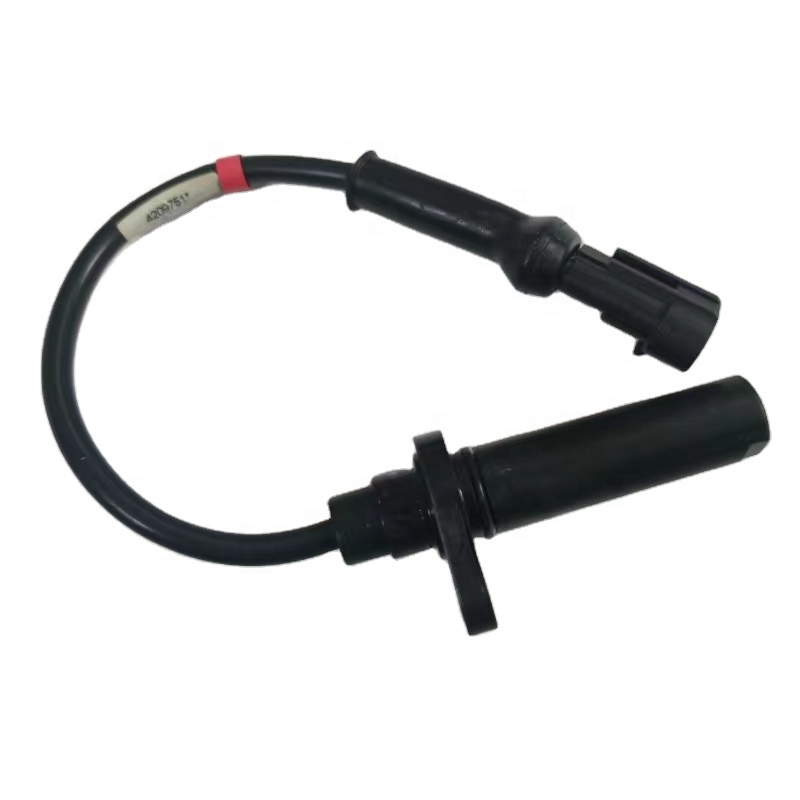
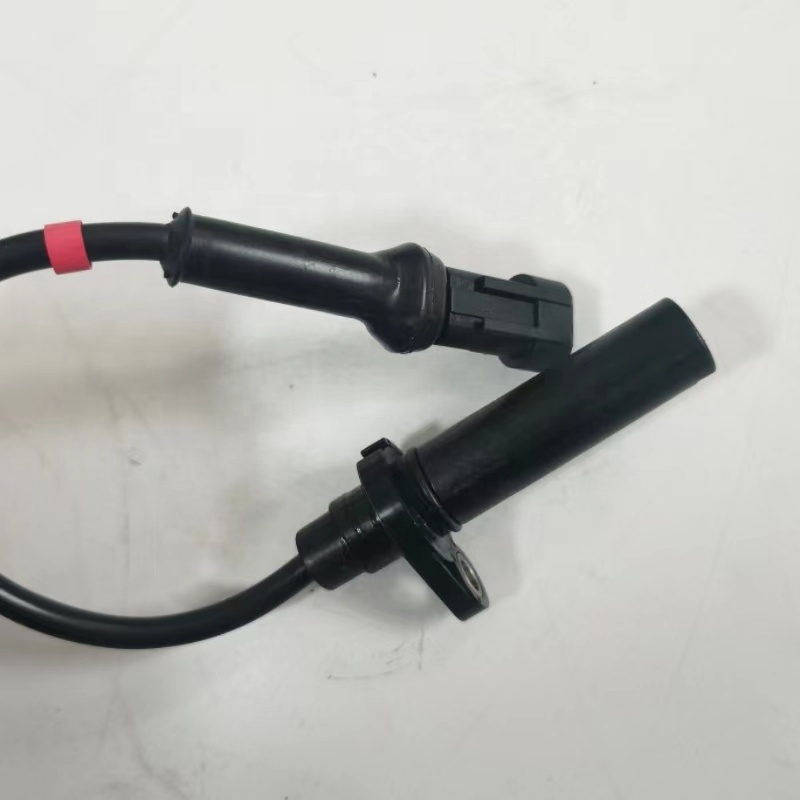
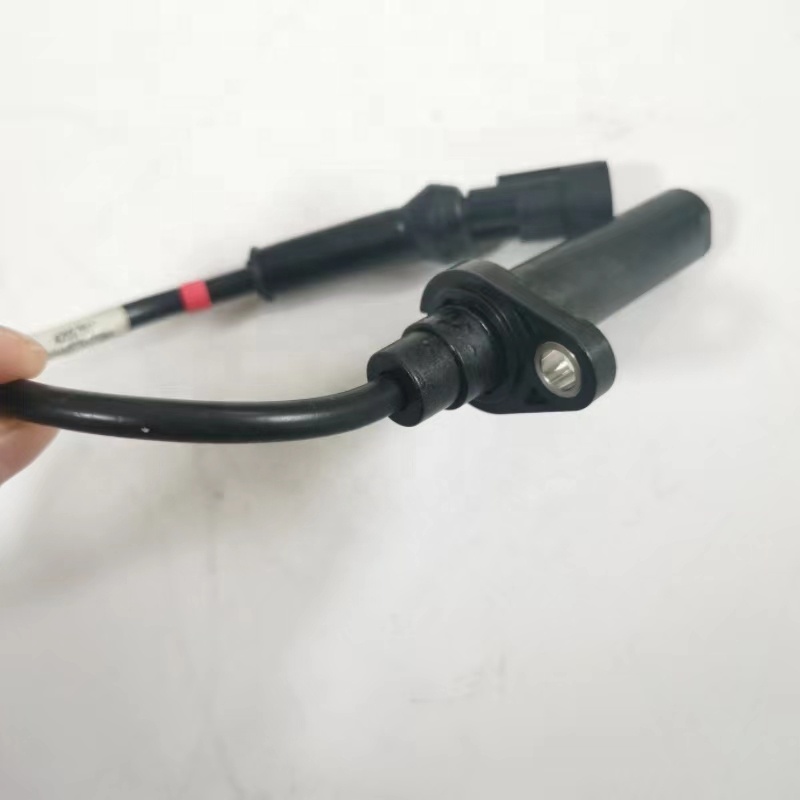
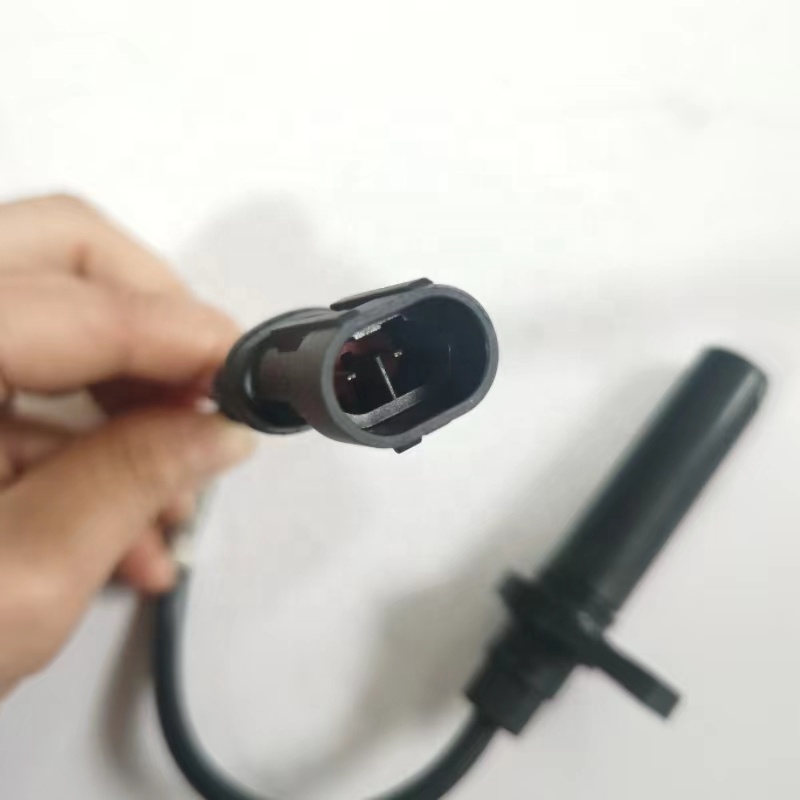
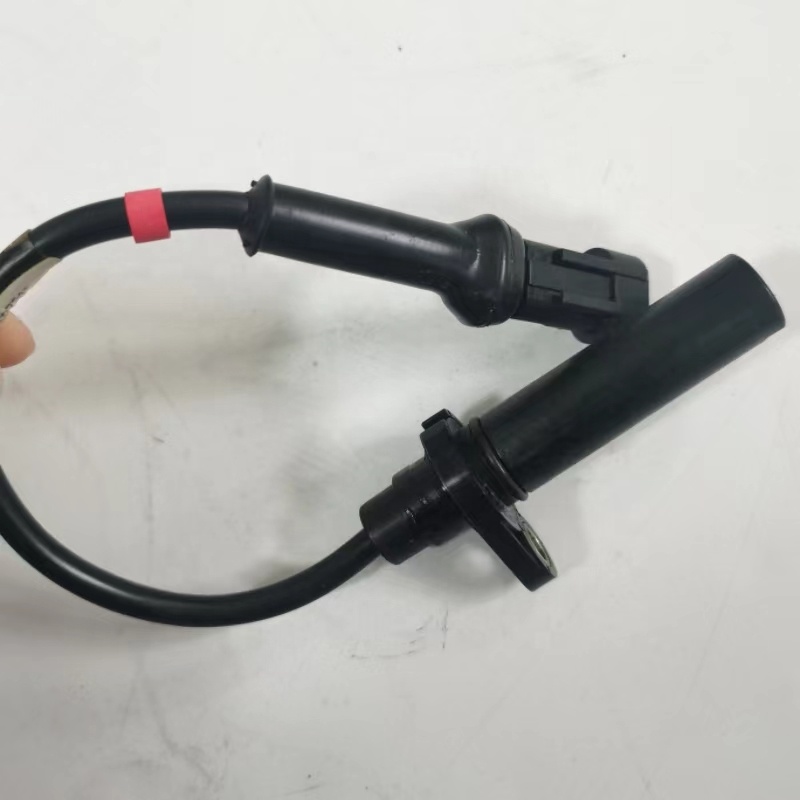
TE32 Speed Sensor 4209751 923855.1821 KALMAR DRF 400-450 Front Crane Accessory for Forklift Trucks
TE32 Speed Sensor 4209751 923855.1821 KALMAR DRF 400-450 Front Crane Accessory for Forklift Trucks - Advanced Analysis
The TE32 Speed Sensor (Part Numbers: 4209751 / 923855.1821) is a critical component designed specifically for Kalmar DRF400-450 reach stackers. This sensor plays a vital role in monitoring the rotational speed of the transmission output shaft, ensuring precise control and efficient operation of the machinery.
Key Features:
- Accurate measurement of output shaft speed for optimal transmission performance.
- Robust construction to withstand harsh port environments.
- Direct compatibility with Kalmar DRF400-450 models, ensuring seamless integration.
- Manufactured to OEM specifications for reliable and consistent performance.
Technical Specifications:
- Part Numbers: 4209751 / 923855.1821
- Application: Kalmar DRF400-450 Reach Stackers
- Function: Measures rotational speed of transmission output shaft
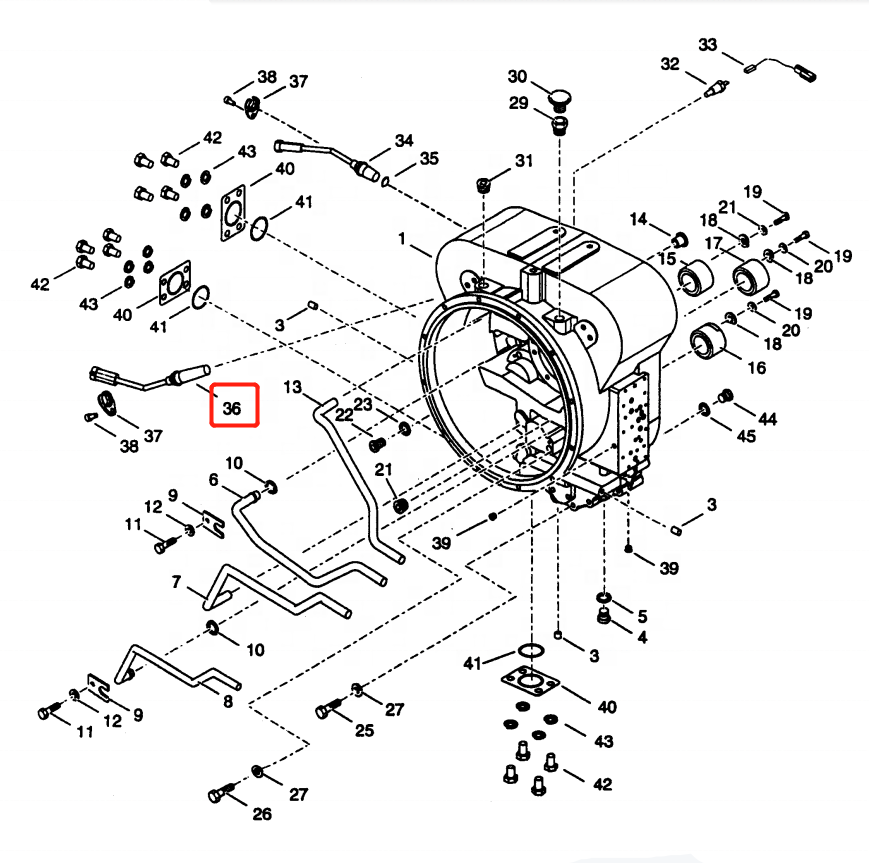
- Compatibility: Designed for use with Dana TE32000 transmissions
Importance in Port Operations:
In port environments where efficiency and reliability are paramount, the TE32 Speed Sensor ensures that reach stackers operate smoothly by providing accurate speed data to the transmission control system. This precision helps in reducing wear and tear, preventing potential downtime, and maintaining the overall health of the machinery.
Installation and Maintenance:
The sensor is designed for straightforward installation, aligning with existing mounts and connectors on Kalmar DRF400-450 models. Regular inspection and maintenance are recommended to ensure continued optimal performance. Replacement should be carried out by qualified technicians familiar with Kalmar equipment.
Compliance and Standards:
This TE32 Speed Sensor complies with industry standards for heavy machinery components. For more information on standards and regulations related to port equipment, refer to the U.S. Department of Transportation’s Maritime Administration: https://www.maritime.dot.gov.
Conclusion:
Investing in a genuine TE32 Speed Sensor ensures that your Kalmar DRF400-450 reach stacker operates at peak efficiency. Its accurate speed measurements are crucial for the smooth functioning of the transmission system, directly impacting the productivity and reliability of port operations.
Bulk Source TE32 Speed Sensor 4209751 923855.1821 KALMAR DRF 400-450 Front Crane Accessory for Forklift Trucks
Direct Factory Pricing | OEM/ODM Customization | GRS Certified Materials
Related products
-
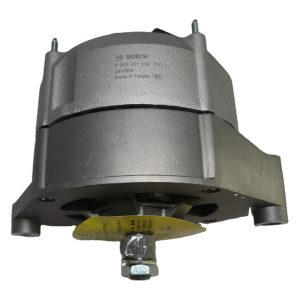
China Professional Manufacture 24v 80A 731 alternator 0120468114 Alternator
$376.00 Add to cart -
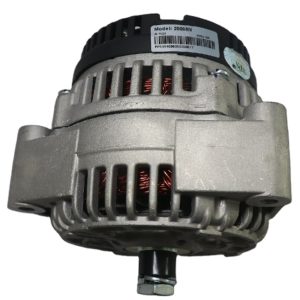
Widely Used Superior Quality AAN5121 11.203.064(24V 80A) 720 Alternator
$390.00 Add to cart -
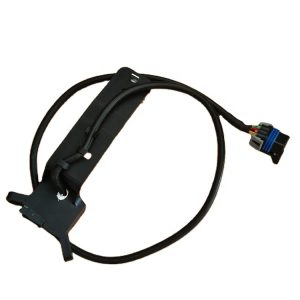
851 Fan Clutch Sensor 21315240 for KALMAR DCU80-100 924518.0029 Stacker Reach Stacker Spare Parts
$269.00 Add to cart -
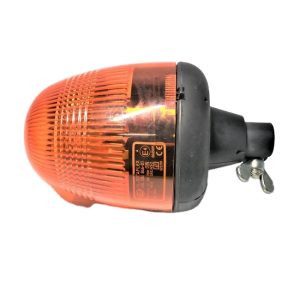
Kalmar AC Rotation Warning Light 921358.0015
$99.00 Add to cart
 English
  Espa?ol
  Русский