
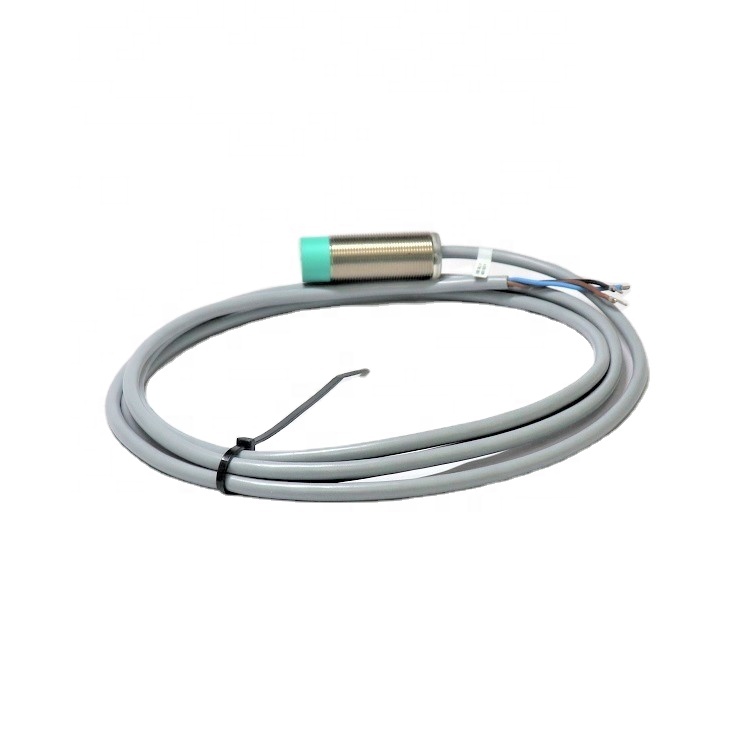
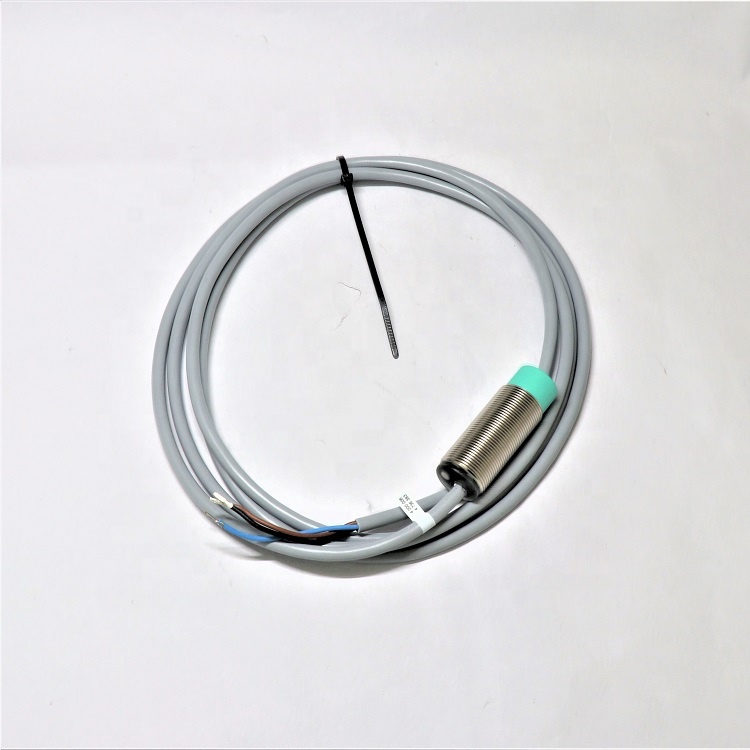
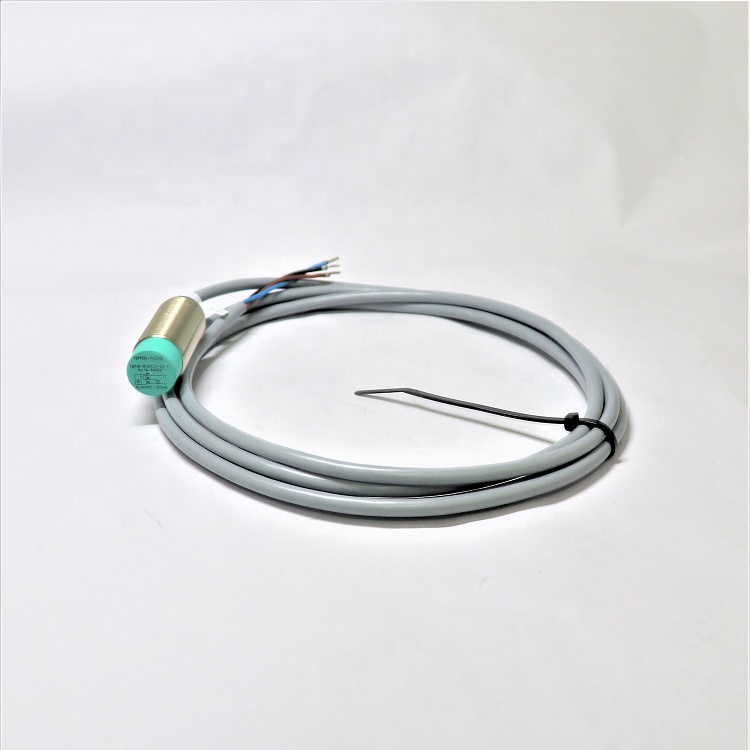
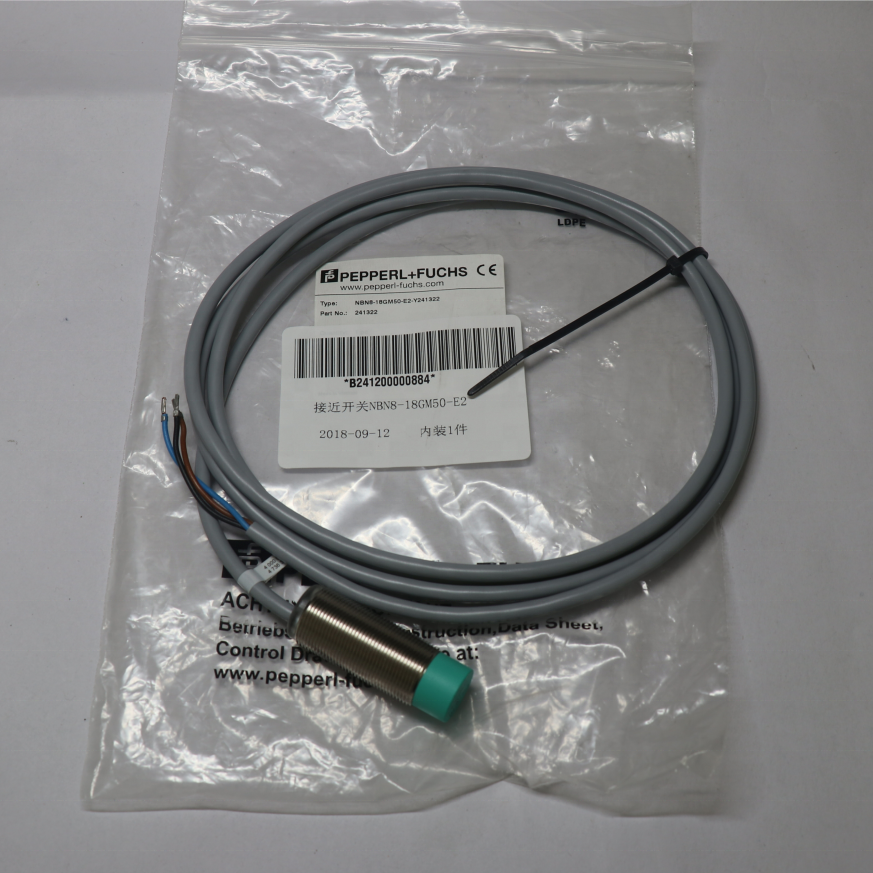
Proximity Switch NBN8-18GM50-E2 for KALMAR B241200000884 Switch Sensor
The Proximity Switch Sensor?is known for its reliability and durability, particularly in harsh environments.
Proximity Switch NBN8-18GM50-E2 for KALMAR B241200000884 Switch Sensor - Advanced Analysis
The Proximity Switch Sensor?is a highly reliable, non-contact sensor used to detect the presence or absence of an object within a specified range. It is widely used in industrial, automotive, and manufacturing applications to provide precise position sensing and to automate control systems. The primary function of the Proximity Switch is to detect the proximity of an object and generate an electrical signal in response, enabling it to perform its intended role without direct mechanical contact. This contactless nature makes the Proximity Switch ideal for environments where conventional mechanical switches would wear out quickly due to friction or contamination.
In industrial automation, the Proximity Switch Sensor?plays a vital role in monitoring and controlling the position of parts, tools, or equipment within a machine. It is often used in conveyor systems, robotic arms, and assembly lines to detect whether objects or components are in the correct position. For instance, in a manufacturing setting, the sensor may detect whether a product has reached a specific point on the conveyor belt or whether the robotic arm has moved to the correct location. The Proximity Switch ensures that all parts are positioned properly, preventing errors, improving accuracy, and optimizing production processes.
One of the key advantages of the Proximity Switch Sensor?is its versatility. These switches can be designed to detect a wide range of materials, including metals, plastics, and even liquids, depending on the sensor type. Inductive proximity sensors, for example, are perfect for detecting metal objects, while capacitive sensors can detect non-metallic objects. Magnetic sensors are often used to detect the presence of ferrous materials or magnets. This flexibility makes the Proximity Switch suitable for a broad spectrum of applications in industries ranging from automotive manufacturing to food processing.
The Proximity Switch Sensor?is widely used in automotive applications, such as in vehicle parking sensors, where it detects obstacles in the path of the vehicle and triggers an alert to the driver. It is also employed in automotive assembly lines to monitor the position of parts or tools, ensuring that all components are in the correct position for assembly. By providing real-time feedback to the vehicle’s electronic control unit (ECU), the Proximity Switch helps improve safety, reduce errors, and increase operational efficiency in manufacturing and assembly processes.
In addition to its role in automation and automotive industries, the Proximity Switch Sensor?is also integral to safety systems. In industrial environments, proximity sensors are used in safety fences, machine guards, and access control systems to detect the presence of operators or personnel in hazardous areas. These sensors provide critical feedback to safety systems, triggering emergency stops or adjusting machine behavior to prevent accidents and ensure that workers are not exposed to dangerous conditions.
The Proximity Switch Sensor?is known for its reliability and durability, particularly in harsh environments. Unlike mechanical switches, which can wear out due to friction or contamination, the Proximity Switch operates without direct contact, ensuring a long service life with minimal maintenance. This makes the sensor particularly valuable in environments where frequent switch replacements would lead to costly downtime or production delays. The ability to withstand extreme temperatures, vibrations, and exposure to dust, moisture, and chemicals ensures that the Proximity Switch can maintain consistent performance in even the most challenging conditions.
Because of its non-contact operation, the Proximity Switch Sensor?is also highly suitable for high-speed applications. In fast-moving systems, such as conveyor belts or high-speed assembly lines, the sensor can detect the position of objects with high precision and speed, ensuring that the system operates smoothly without any interruptions. Its ability to detect objects quickly and without physical contact makes it ideal for modern automation systems, where speed, precision, and reliability are crucial.
In conclusion, the Proximity Switch Sensor?is a vital component in various applications, ensuring the accurate detection of objects without the need for physical contact. Its role in automation, automotive, and safety systems makes it an indispensable tool for optimizing efficiency, improving safety, and reducing maintenance costs in industrial and manufacturing environments. The durability, flexibility, and high performance of the Proximity Switch make it an essential part of modern control systems and machinery. Regular inspection and maintenance of the sensor are necessary to ensure its continued functionality and to prevent any operational issues.
For more information on regulations and standards governing the use of proximity sensors, you can visit the official website of the Occupational Safety and Health Administration (OSHA) at https://www.osha.gov/.
Bulk Source Proximity Switch NBN8-18GM50-E2 for KALMAR B241200000884 Switch Sensor
Direct Factory Pricing | OEM/ODM Customization | GRS Certified Materials
Related products
-
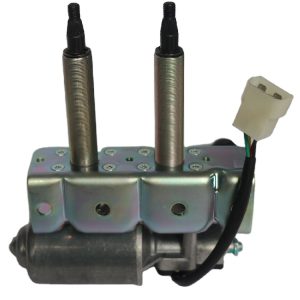
Custom Windscreen Front Wiper Motor 11174483BDOE 923934.0097 Windshield Wiper Motor Replacement
$158.00 Add to cart -
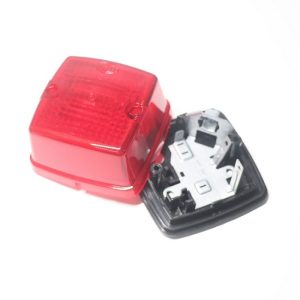
The Company Sells All Kinds of Spreaders and Red Indicating Plastic Lights
$13.00 Add to cart -
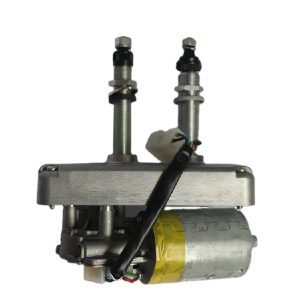
New Type Windshield Wiper Motors 920887.0011 Front Windscreen Wiper Motor
$140.00 Add to cart -
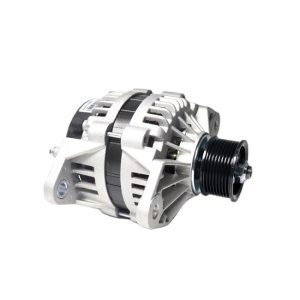
Hot Sale No Wheel No Wheel 24V 70A 923976.3832/2874863/5282841 Alternator
$377.00 Add to cart
 English
  Espa?ol
  Русский