
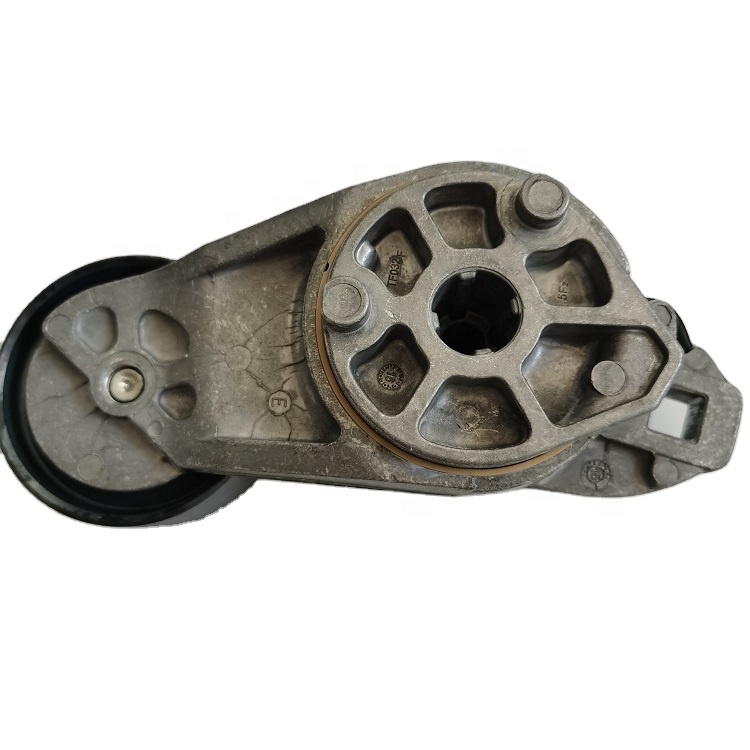
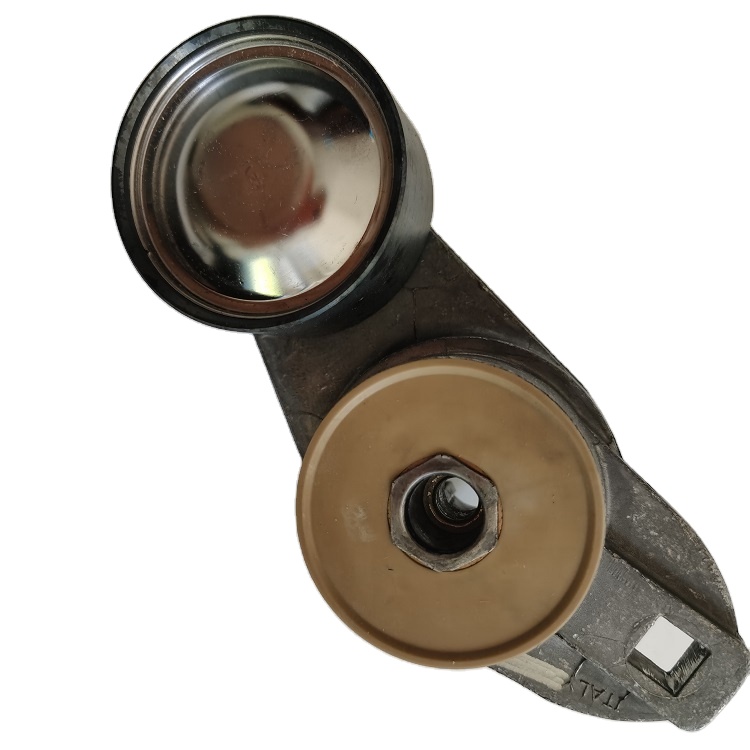
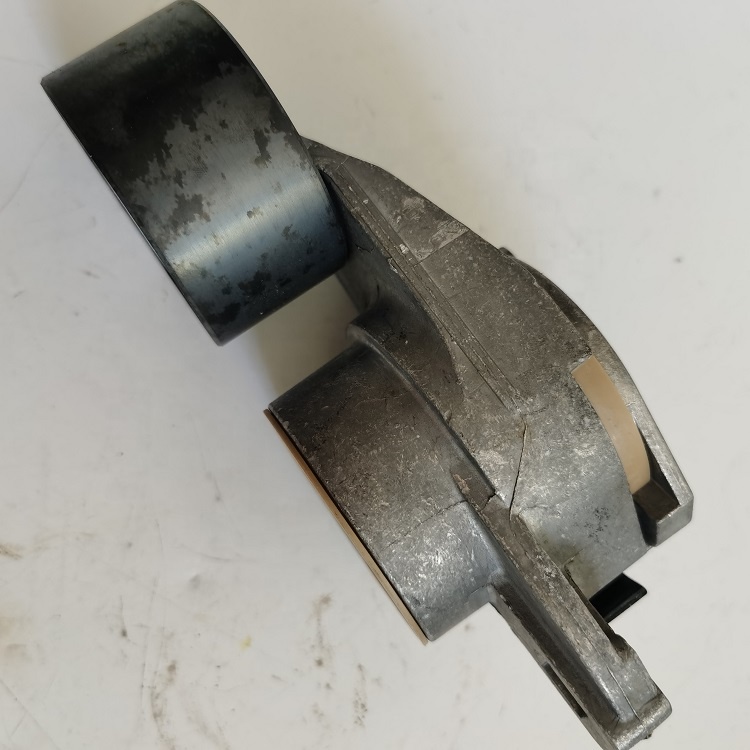
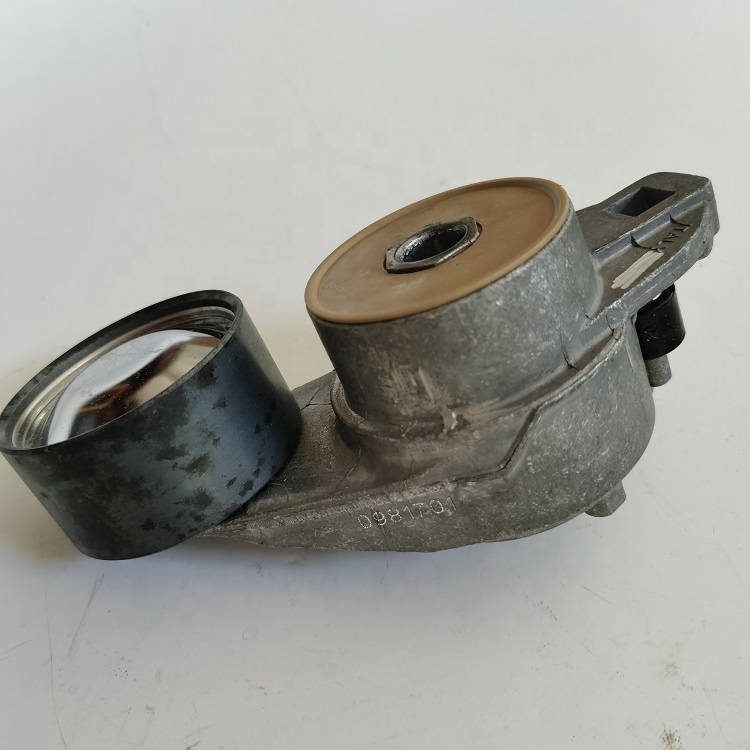
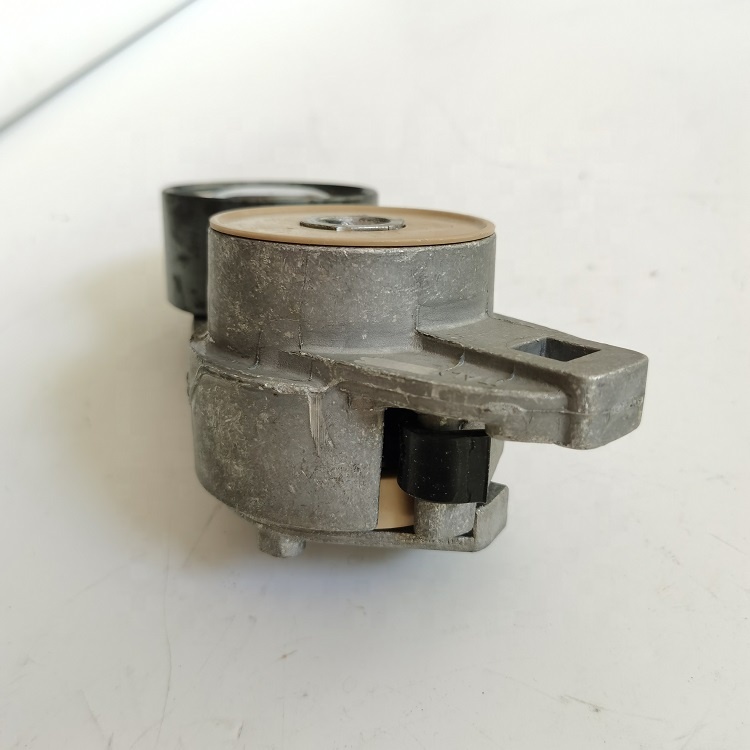
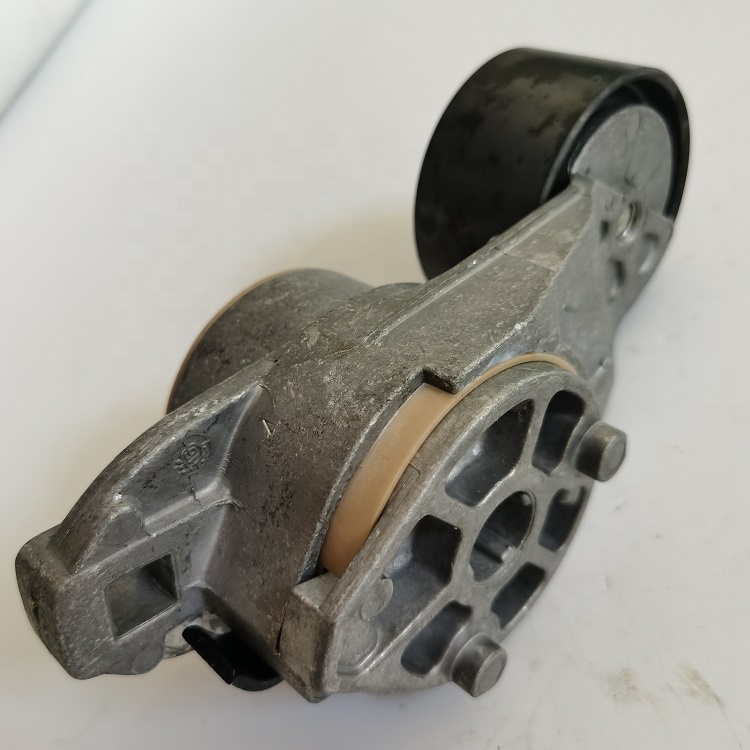
1350 Fan Belt Tensioner APV2739/20487079/21479276 for KALMAR Reach Stacker Parts
The Fan Belt Tensioner is a critical component that ensures the proper functioning, efficiency, and longevity of the fan belt system in vehicles, machinery
1350 Fan Belt Tensioner APV2739/20487079/21479276 for KALMAR Reach Stacker Parts - Advanced Analysis
The Fan Belt Tensioner is a crucial component in the automotive and industrial sectors, playing a pivotal role in maintaining the correct tension of the fan belt. This device is designed to ensure that the fan belt, which drives various components such as the alternator, water pump, and air conditioning compressor, remains at the optimal tension for efficient operation. The tensioner keeps the fan belt tightly in place, preventing slippage, wear, and improper operation, ensuring that the engine’s accessories function smoothly and reliably. The Fan Belt Tensioner is typically installed on vehicles, heavy machinery, and industrial equipment, where fan belts are used to transfer power and maintain proper functioning of engine components.
A Fan Belt Tensioner works by applying constant pressure to the fan belt, maintaining the right amount of tension to prevent it from becoming too loose or too tight. If the belt is too loose, it can slip or fail to transfer power efficiently, leading to poor performance, increased wear, or even the failure of critical engine components. On the other hand, if the belt is too tight, it can cause unnecessary strain on the belt and associated components, leading to premature failure. The Fan Belt Tensioner ensures that the belt maintains the correct tension, optimizing the performance and longevity of the entire system.
In automotive applications, the Fan Belt Tensioner plays a vital role in ensuring the proper functioning of the engine’s cooling system, power steering, and other accessories. A malfunctioning tensioner can lead to a loose or overly tight fan belt, which can cause the engine to overheat, or the alternator or power steering pump to malfunction. This can result in system failure, poor fuel efficiency, and costly repairs. The Fan Belt Tensioner ensures that the belt remains in the correct tension range, reducing the likelihood of these issues and maintaining the overall health of the vehicle’s engine.
The Fan Belt Tensioner is typically made from high-quality materials such as steel, aluminum, or durable plastics, designed to withstand high levels of pressure, heat, and vibration. These materials ensure that the tensioner remains functional even under the harsh conditions of engine compartments, where high temperatures and vibrations are common. The durability of the Fan Belt Tensioner reduces the need for frequent replacements, contributing to long-term reliability and cost savings for vehicle owners and businesses that rely on machinery.
In addition to its role in maintaining proper belt tension, the Fan Belt Tensioner also helps reduce noise and vibrations. A properly tensioned fan belt operates smoothly, minimizing the noise and vibration that can result from an improperly tensioned belt. This not only improves the comfort of driving or working with the equipment but also contributes to the longevity of other components, reducing the wear caused by excessive movement or friction.
The Fan Belt Tensioner also plays an essential role in maintaining fuel efficiency. When the fan belt is at the correct tension, the engine’s accessories work efficiently, reducing the load on the engine and improving fuel economy. An incorrectly tensioned belt can lead to inefficiencies, such as excessive load on the alternator or water pump, which can drain more power from the engine, leading to increased fuel consumption. The Fan Belt Tensioner helps prevent these issues, contributing to better performance and lower operating costs.
Routine maintenance of the Fan Belt Tensioner is important to ensure optimal performance. Over time, the tensioner’s spring or components may wear out, causing the belt to lose its proper tension. Regular inspection of the tensioner, along with belt and pulley checks, is essential for identifying any signs of wear or malfunction. Replacing a faulty Fan Belt Tensioner in a timely manner helps avoid belt slippage, overheating, and engine performance issues, preventing costly repairs and extending the life of the vehicle or machinery.
The Fan Belt Tensioner is designed for easy installation and replacement, making it a straightforward maintenance task for technicians and DIY enthusiasts alike. Many tensioners are designed with an automatic spring-loaded mechanism, which adjusts the belt tension automatically as needed, ensuring continuous optimal performance without the need for manual adjustment. This automatic tensioning feature further enhances the reliability and convenience of the Fan Belt Tensioner, making it a preferred choice in modern automotive and industrial applications.
In conclusion, the Fan Belt Tensioner is a critical component that ensures the proper functioning, efficiency, and longevity of the fan belt system in vehicles, machinery, and industrial equipment. By maintaining the correct belt tension, the tensioner prevents slippage, reduces wear, and ensures that the engine’s accessories operate smoothly and efficiently. Its role in optimizing performance, reducing noise, and improving fuel efficiency makes it an indispensable part of modern automotive and industrial systems. Regular maintenance and timely replacement of the Fan Belt Tensioner help ensure that the system remains functional and reliable, providing long-term benefits to vehicle owners and businesses.
For more information on the regulations and standards governing the use of components like the Fan Belt Tensioner, you can visit the official website of the National Highway Traffic Safety Administration (NHTSA) at https://www.nhtsa.gov/.
1. Reliable fan belt tensioner for automotive engine performance
2. Durable fan belt tensioner for heavy-duty machinery
3. High-performance fan tensioner for optimal accessory operation
4. Efficient fan belt tensioner for reducing engine wear and tear
Bulk Source 1350 Fan Belt Tensioner APV2739/20487079/21479276 for KALMAR Reach Stacker Parts
Direct Factory Pricing | OEM/ODM Customization | GRS Certified Materials
Related products
-
720 Oil Radiator Shell housing 923976.0629 20797236 Suitable KALMAR DCE 80-100/45E
$495.00 Add to cart -
Hydraulic Oil Level Indicator tank Gauge for KALMAR DCT 80 – 90 Excavator Accessories 923162.0003
$26.00 Add to cart -
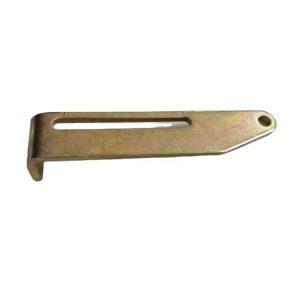
720 Generator Adjustment Bracket 923829.0673 20771395 KALMAR DCE 80-100/45E Stacker Reach Stacker 9238290673
$9.00 Add to cart -
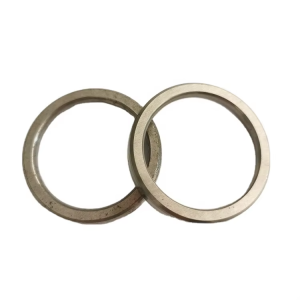
720 Intake Valve Seat Ring 20459962, 923976.0378, 0425 2442 For KALMAR DCE 80-100/45E
$9.00 Add to cart
 English
  Espa?ol
  Русский