
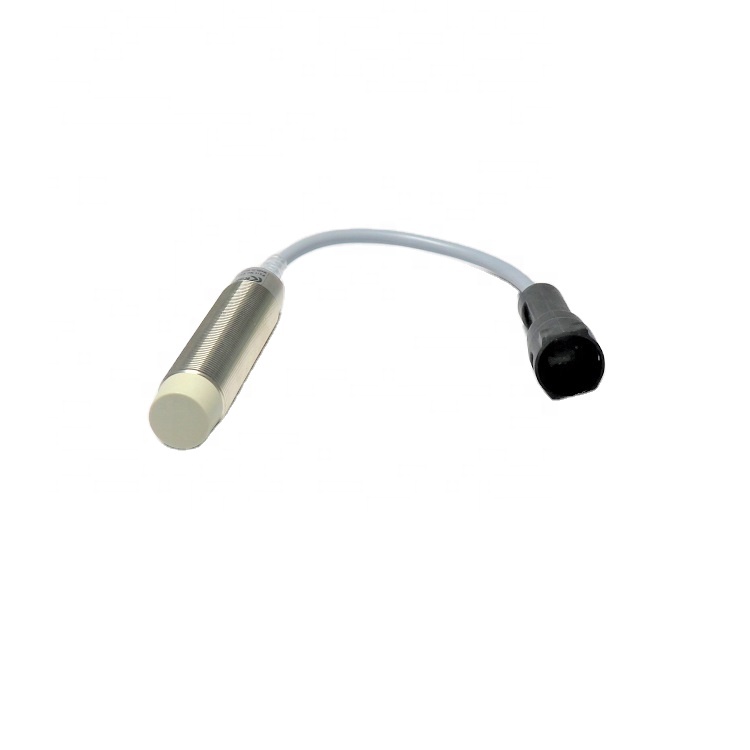
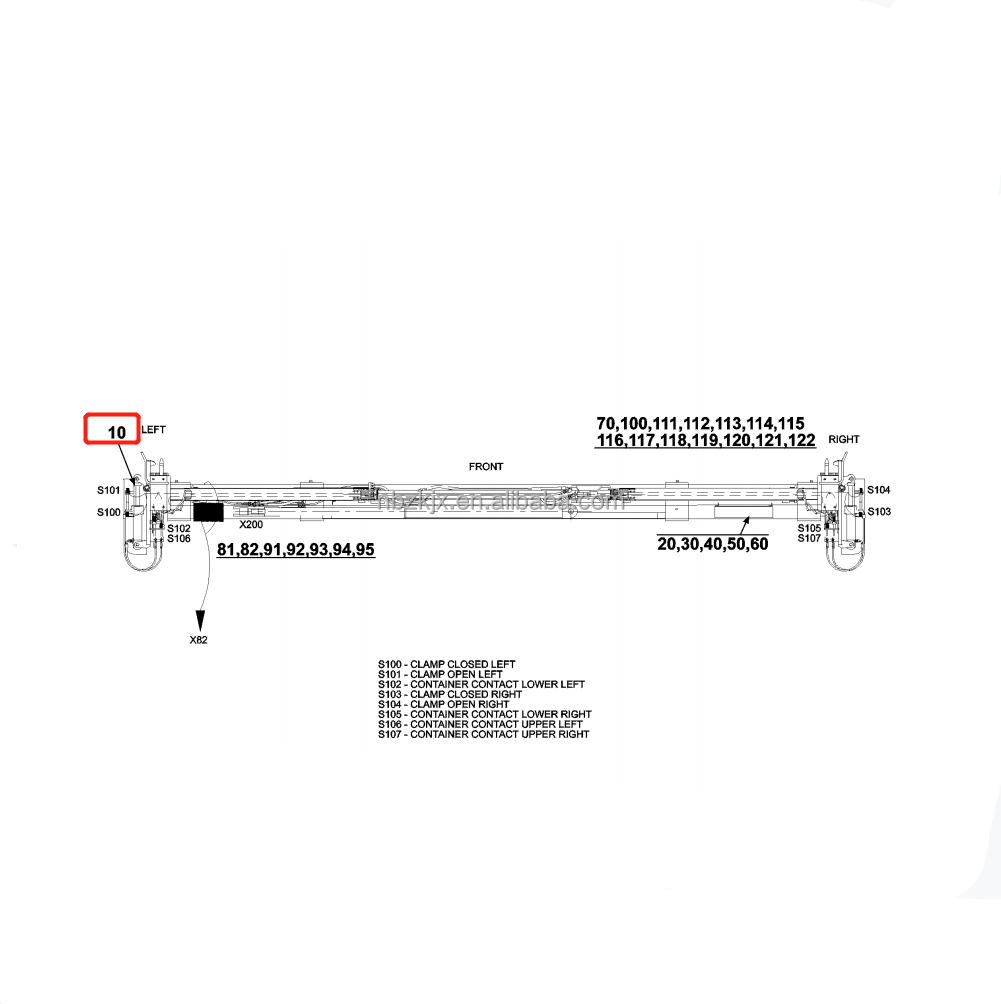
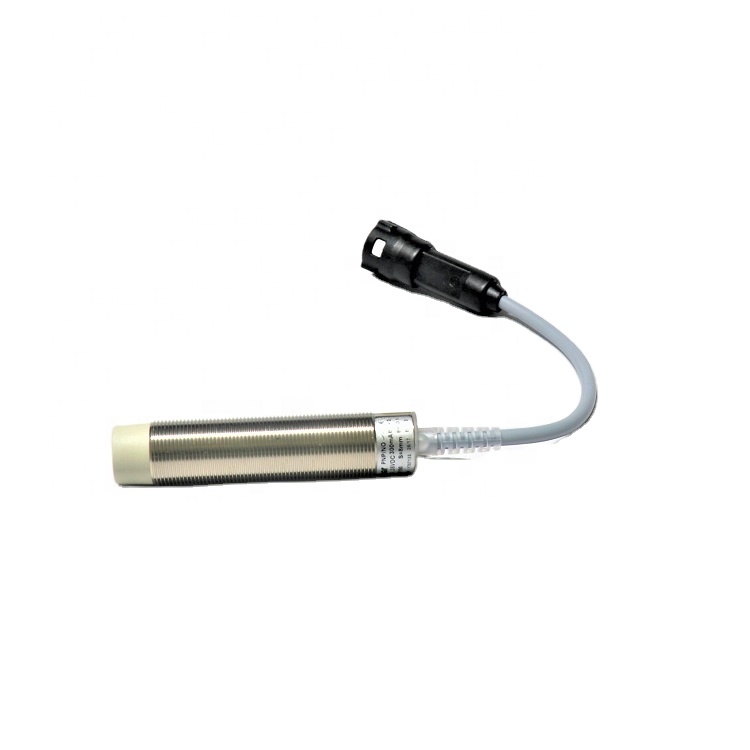
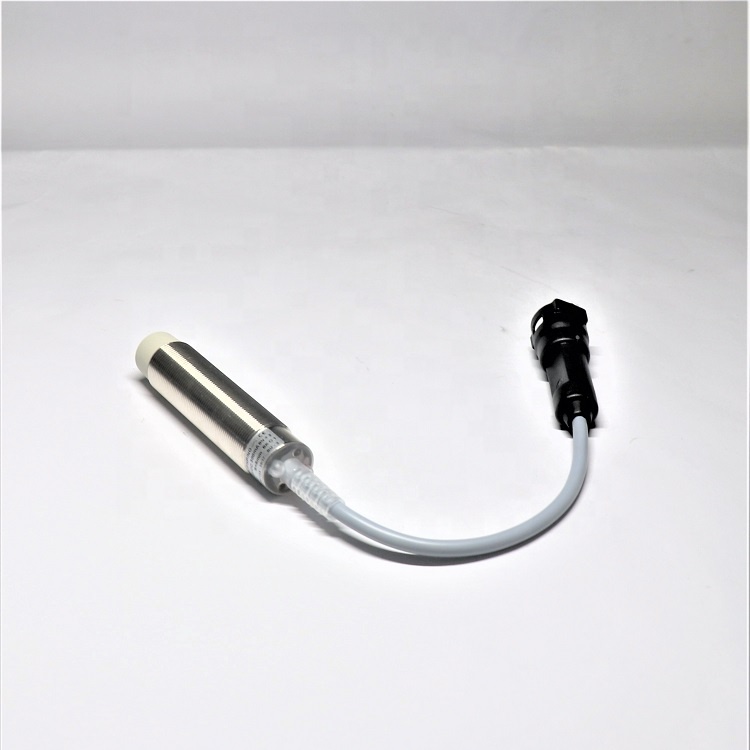
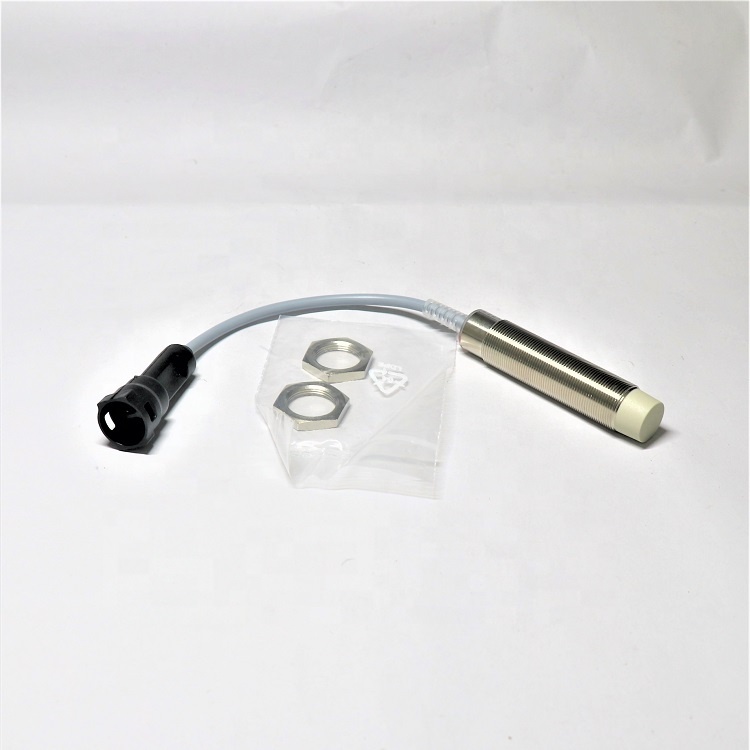
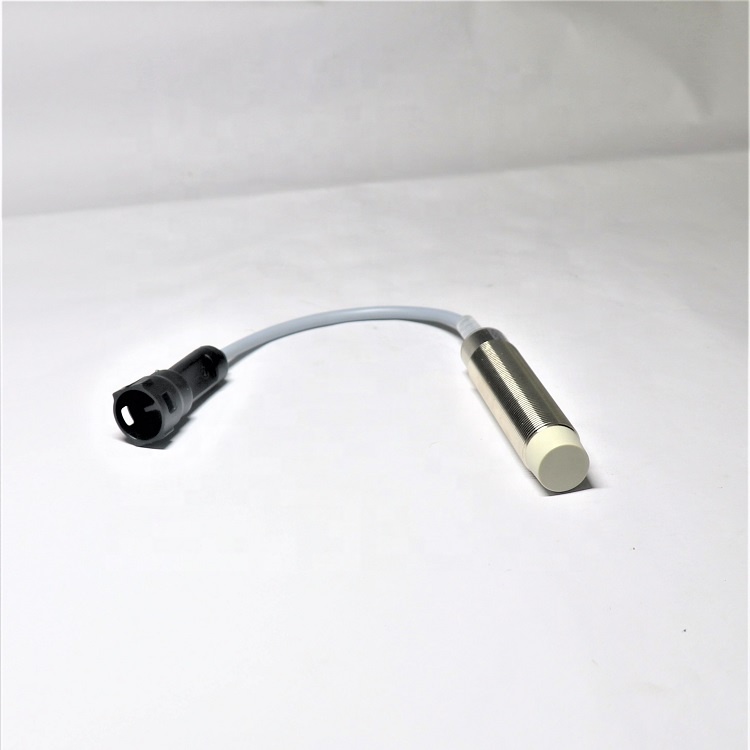
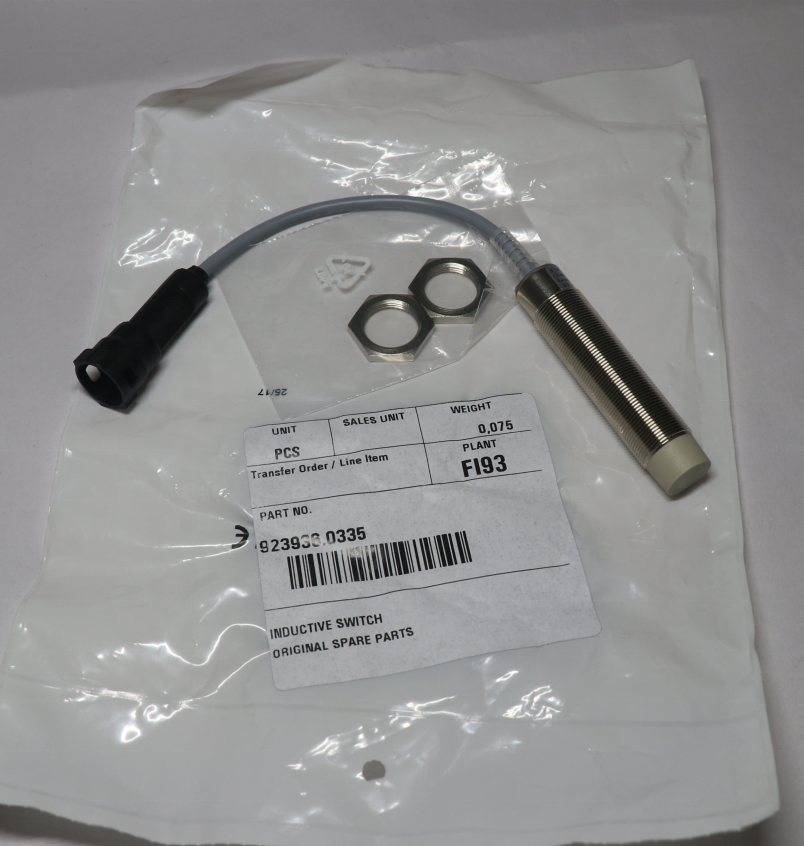
DCE Proximity Switch 923936.0335 for KALMAR DCE 80-100/45E Reach Stacker Spreader Sensor
The DCE Proximity Switch Sensor is an essential tool in modern automation, providing reliable, non-contact detection in a wide array of applications.
DCE Proximity Switch 923936.0335 for KALMAR DCE 80-100/45E Reach Stacker Spreader Sensor - Advanced Analysis
The Proximity Switch Sensor is a highly reliable and versatile component used in industrial automation, machinery, and various systems to detect the presence or absence of objects without physical contact. This non-contact sensing technology works by detecting changes in the surrounding electromagnetic field or by emitting a signal that reflects off objects within its range. The Proximity Switch Sensor plays a critical role in modern machinery and control systems, providing precise and instantaneous feedback for various applications, such as object detection, positioning, and counting.
The Proximity Switch Sensor operates through different sensing principles, including inductive, capacitive, and magnetic technologies. Inductive proximity sensors detect metallic objects, capacitive sensors can detect both metallic and non-metallic materials, and magnetic sensors respond to magnetic fields, typically detecting ferrous materials. These sensors are widely used in applications such as assembly lines, conveyors, robotic systems, and safety mechanisms, where precise object detection is essential for smooth operation.
One of the primary advantages of the Proximity Switch Sensor is its ability to detect objects without physical contact, reducing wear and tear compared to mechanical switches. This feature not only improves the lifespan of the sensor but also minimizes the maintenance requirements and reduces the risk of damage. Since no moving parts are involved, the Proximity Switch Sensor can operate in harsh environments, such as those with high vibration, dust, or moisture, where traditional mechanical switches might fail.
In industrial automation, the Proximity Switch Sensor provides valuable feedback to control systems by detecting the position of moving parts or materials within machines. This information is crucial for automating processes such as part counting, material handling, and machine alignment. For example, in a conveyor system, a proximity switch can detect whether a part has reached a specific position, triggering subsequent actions such as sorting or packaging. This ability to provide real-time data ensures the seamless flow of production processes, improving efficiency, safety, and throughput.
The Proximity Switch Sensor is also an essential component in safety systems, where it detects the presence of objects in critical areas. For example, in safety fencing or door interlocks, a proximity sensor can ensure that the system stops or adjusts when an object or person enters a hazardous area. This non-contact sensing capability allows for faster response times and more reliable safety functions, reducing the risk of accidents in industrial settings.
Due to its versatility and reliability, the Proximity Switch Sensor is also used in a variety of non-industrial applications. These sensors are commonly found in home appliances, automotive systems, and security systems. For example, proximity sensors can detect when a door or window has been opened in a security system, providing instant alerts. In the automotive sector, proximity sensors are used in parking assist systems to detect obstacles around the vehicle, aiding in safe maneuvering in tight spaces.
The Proximity Switch Sensor is designed for durability and performance in challenging environments. With robust housing made from materials like stainless steel or plastic, it is capable of withstanding exposure to extreme temperatures, chemicals, and physical stress. These sensors are engineered to perform reliably in industrial environments, where harsh conditions can often lead to the failure of less durable components. The long-lasting nature of the Proximity Switch Sensor makes it a cost-effective solution for industries looking to maintain continuous, efficient operation while minimizing downtime.
Installation and integration of the Proximity Switch Sensor are straightforward, with many sensors designed for easy mounting in a wide range of applications. These sensors are available in different sizes, shapes, and detection ranges to suit specific needs, whether for large-scale industrial applications or smaller, more specialized systems. Their compatibility with various control systems ensures that they can be easily integrated into existing machinery and automation setups.
In conclusion, the Proximity Switch Sensor is an essential tool in modern automation, providing reliable, non-contact detection in a wide array of applications. From improving the efficiency of manufacturing processes to enhancing safety in industrial environments, this sensor plays a critical role in optimizing operations and ensuring smooth, safe, and efficient functioning of equipment. Its versatility, durability, and precision make it an indispensable component in industries ranging from automotive and robotics to home appliances and security systems. Regular maintenance and proper installation are key to maximizing the longevity and performance of the Proximity Switch Sensor.
For more information on the regulations and standards governing proximity switch sensors and other components, you can visit the official website of the National Institute of Standards and Technology (NIST) at https://www.nist.gov/.
Bulk Source DCE Proximity Switch 923936.0335 for KALMAR DCE 80-100/45E Reach Stacker Spreader Sensor
Direct Factory Pricing | OEM/ODM Customization | GRS Certified Materials
Related products
-
The Company Sells All Kinds of Slings and Green Indicating Plastic Lights
$13.00 Add to cart -
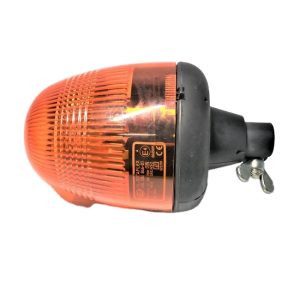
Kalmar AC Rotation Warning Light 921358.0015
$99.00 Add to cart -
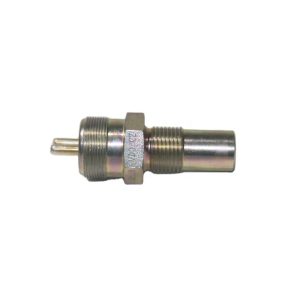
60034279 for KALMAR Speed Sensor 4200572 (half Thread Type) Container Reach Stacker Crane Parts Accessories
$115.00 Add to cart -
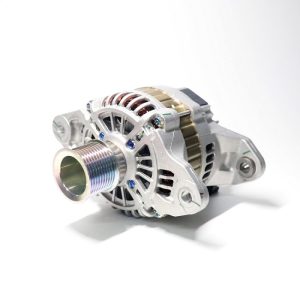
Factory Sale Various 24v 110a 851alternator 21922755/923976.3570 Alternator
$550.00 Add to cart
 English
  Espa?ol
  Русский