
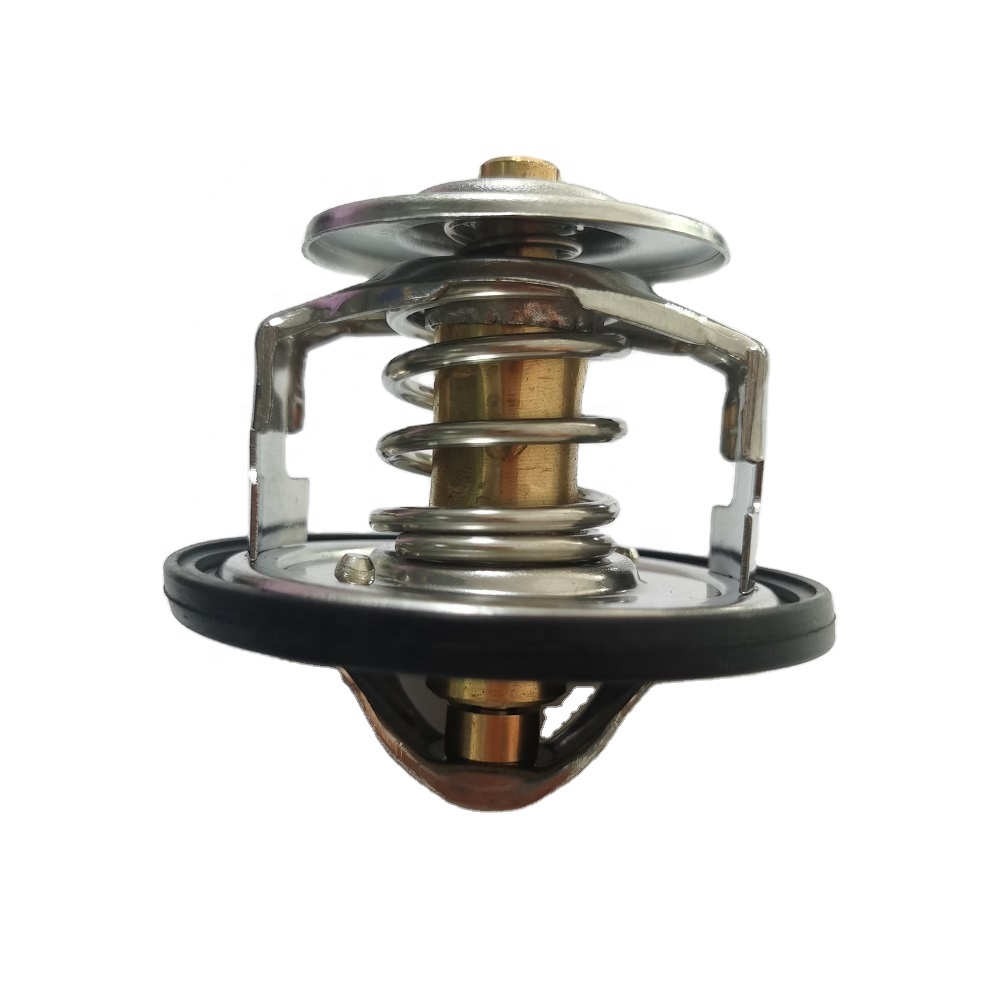
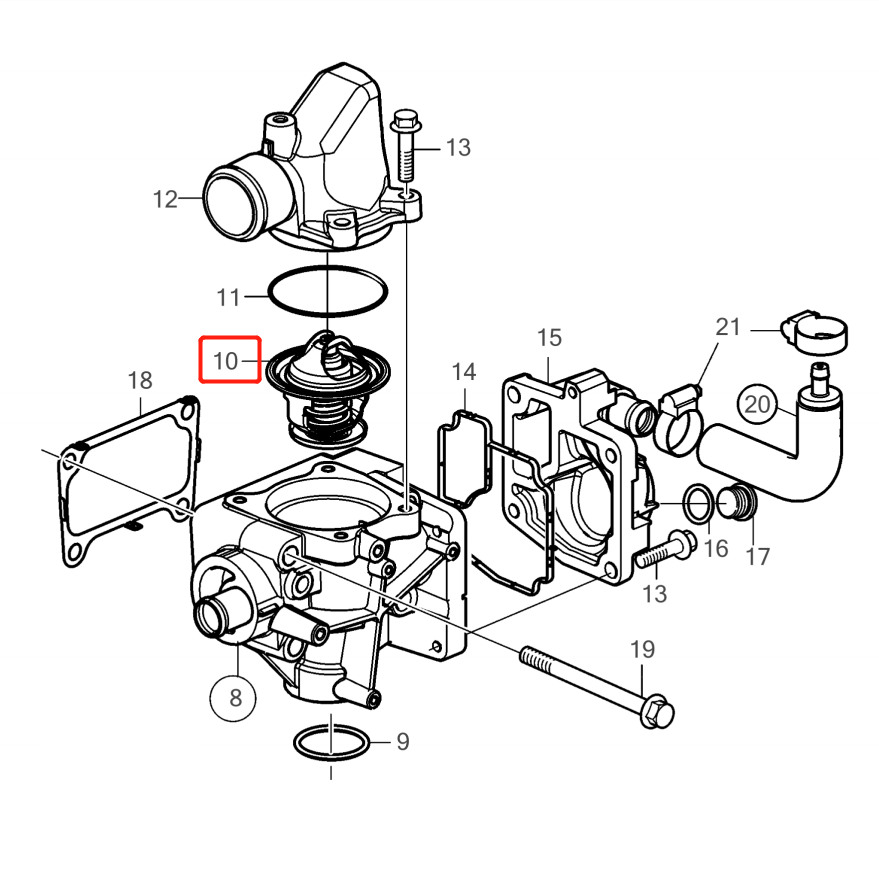
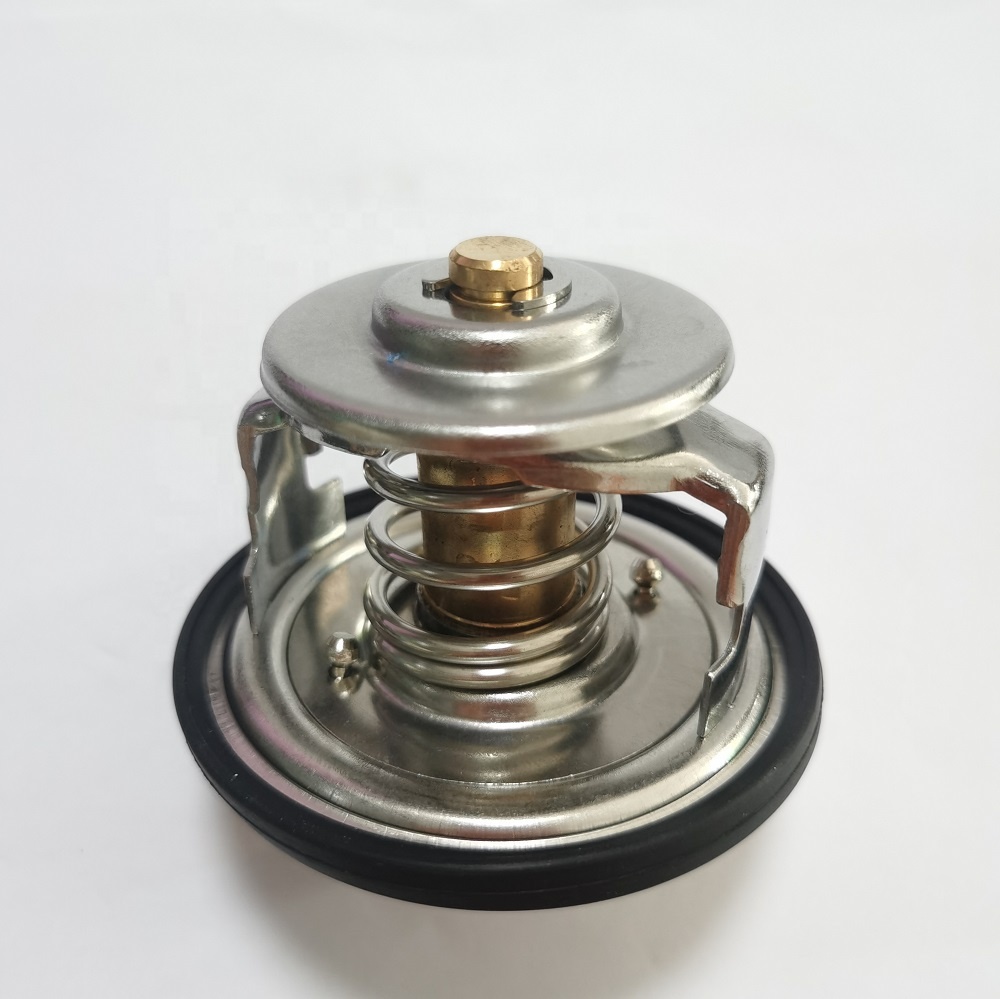
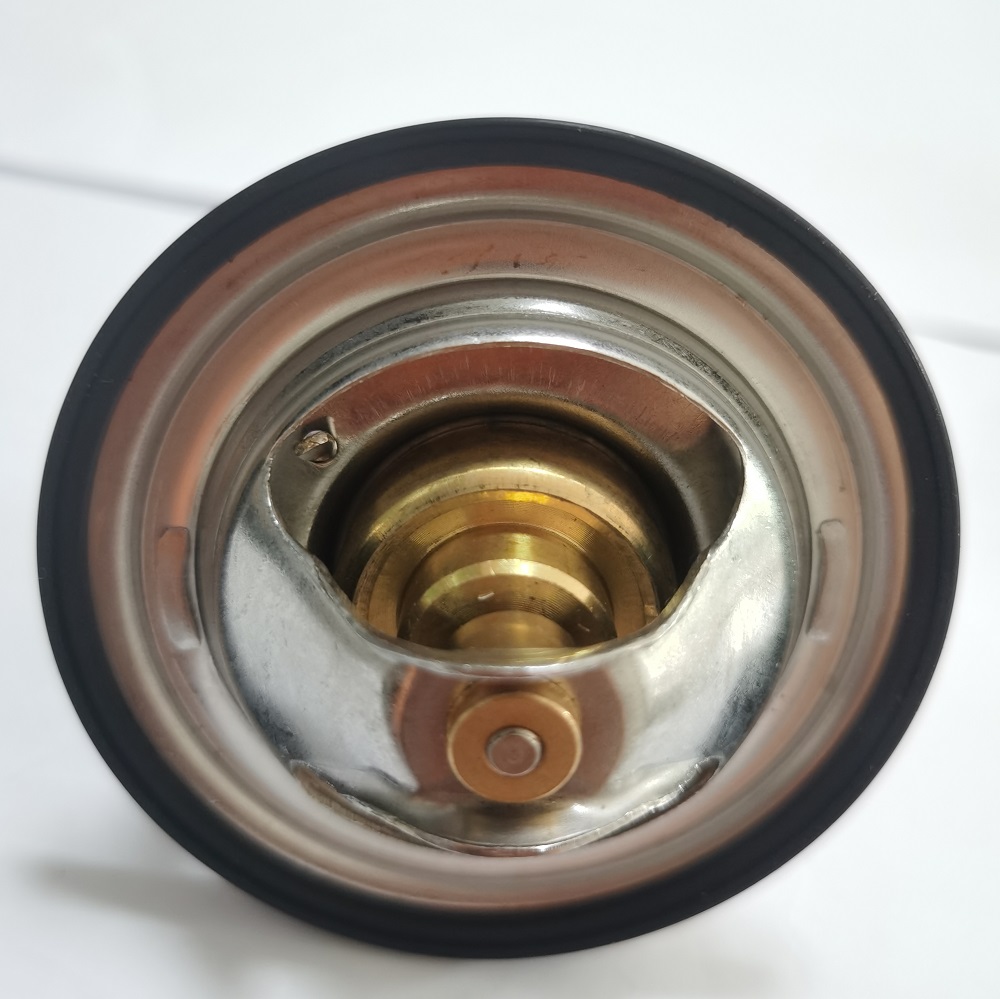
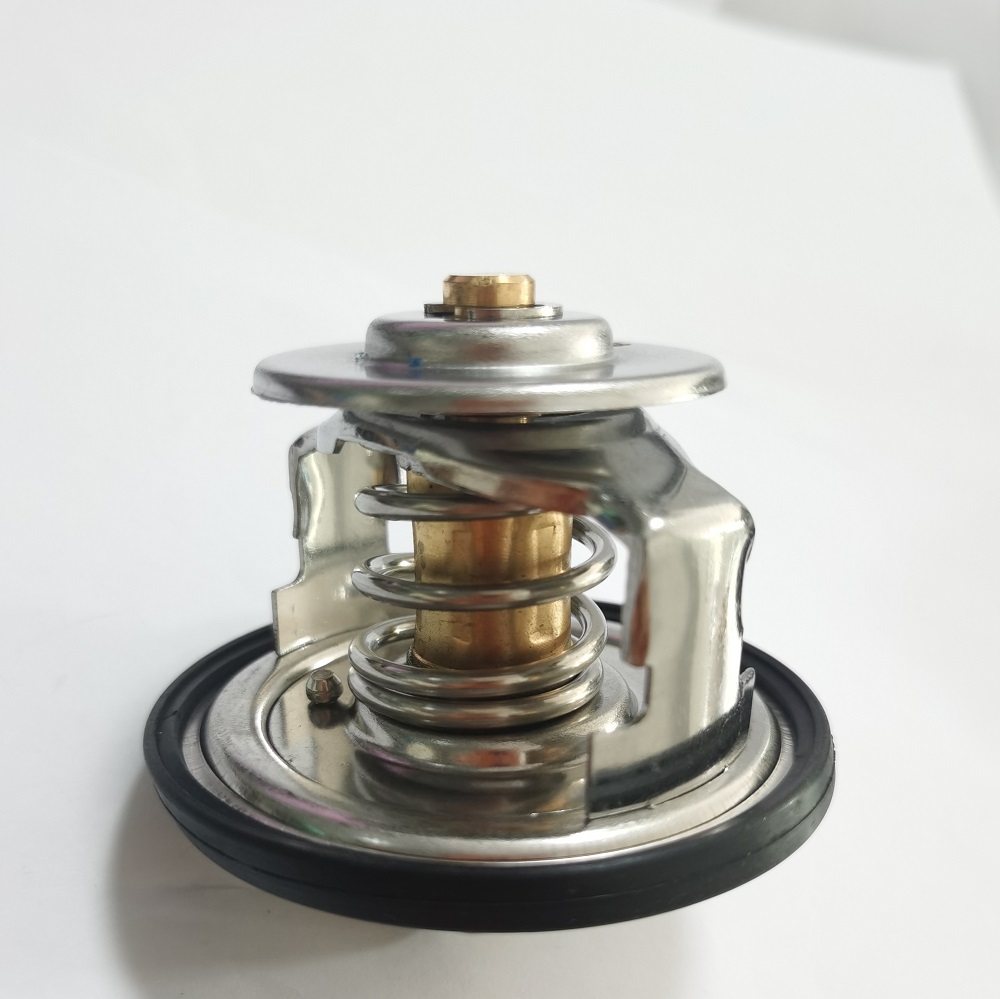

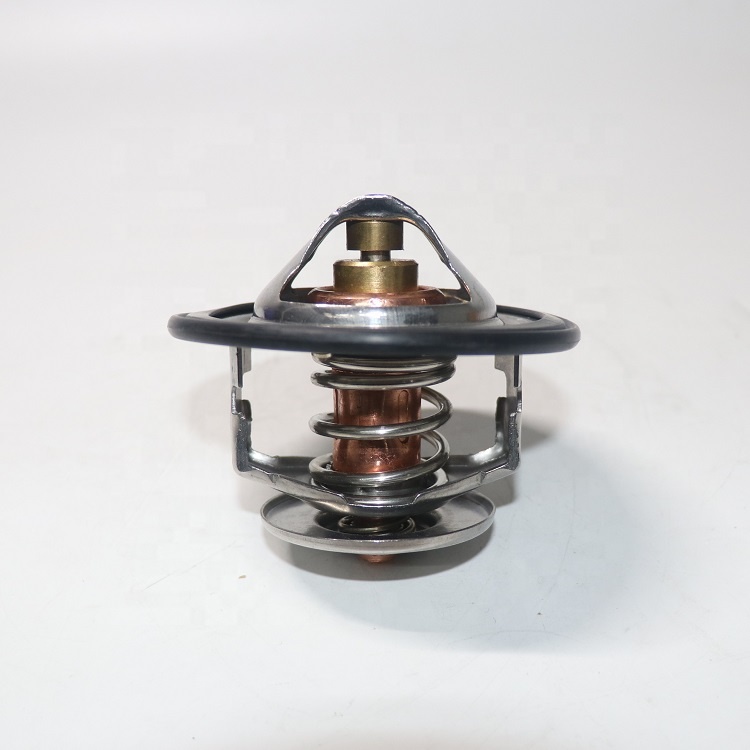


924548.0200 for KALMAR DCT 80 851 Thermostat 21746213 (85℃) Container Reach Stacker Crane Spare Parts
The 85℃ Thermostat is an essential tool for precise temperature control in both home and industrial settings.
924548.0200 for KALMAR DCT 80 851 Thermostat 21746213 (85℃) Container Reach Stacker Crane Spare Parts - Advanced Analysis
Reliable Temperature Control for Enhanced Efficiency
The 85℃ Thermostat is a high-precision temperature regulation device designed to maintain optimal temperature ranges across various applications. Engineered for reliability and efficiency, this thermostat ensures that your systems operate within safe and effective thermal boundaries, preventing overheating and maximizing performance. Its use is ideal in residential, commercial, and industrial environments, providing precise control to help reduce energy consumption and improve overall equipment longevity.
At the core of the Thermostat’s design is its ability to accurately regulate temperature at the 85℃ threshold. This ensures that devices, from household appliances to industrial machinery, maintain a stable environment, preventing potential damage from temperature fluctuations. Whether in a refrigerator, HVAC system, or industrial cooling unit, the thermostat helps prevent overheating, reducing wear and tear on equipment and lowering the risk of costly repairs or breakdowns.
Precision and Performance
What sets the Thermostat apart is its accuracy and efficiency. By maintaining a constant 85℃ threshold, it regulates temperature with minimal deviation, which is crucial in systems where even slight temperature changes can cause problems. In household appliances, this precision helps avoid excessive power usage, making your home more energy-efficient. In industrial applications, it ensures that machinery operates within the necessary temperature range, preventing overheating and extending the equipment’s lifespan.
This thermostat is especially beneficial in environments where temperature sensitivity is critical, such as in food storage, manufacturing processes, and heating systems. It offers an easy solution for maintaining a stable environment, ensuring that all devices connected to it operate as designed, without interruption.
Energy Efficiency and Cost Savings
One of the primary benefits of the 85℃ Thermostat is its energy-saving potential. By preventing overheating and maintaining a steady operating temperature, the thermostat helps reduce energy consumption in a wide range of devices. This leads to cost savings on utility bills, particularly in homes with multiple appliances or in businesses with large-scale machinery running continuously. In addition to lowering energy costs, its reliable performance reduces the need for constant adjustments and manual interventions, allowing for more efficient operation.
This thermostat’s energy efficiency is not just about cutting costs; it also supports sustainable energy practices. By optimizing energy usage, it helps reduce the overall carbon footprint of homes, businesses, and industries, making it a responsible choice for those looking to minimize their environmental impact.
Versatility Across Applications
The Thermostat is designed for versatility, capable of being integrated into a wide variety of systems. In homes, it can be installed in refrigerators, water heaters, and heating systems, ensuring that these devices operate at peak efficiency while avoiding energy waste. In commercial and industrial settings, the thermostat is commonly used in refrigeration systems, cooling units, and temperature-sensitive equipment to keep them running at their ideal temperature without overheating.
Its robust construction allows it to be used in demanding environments, including factories and warehouses, where temperature regulation is vital to the proper function of machinery. The thermostat provides peace of mind by ensuring that all equipment operates within safe thermal limits, which helps protect the equipment and avoid costly downtime.
Safety and Compliance
Safety is a primary concern when it comes to temperature control, and the 85℃ Thermostat meets high safety standards to ensure reliable operation. By controlling temperature precisely, the thermostat helps prevent the overheating of sensitive equipment, which could otherwise lead to system failure or safety hazards. This makes it an essential device in both residential and industrial applications, where safety and equipment protection are paramount.
Conclusion
The Thermostat is an essential tool for precise temperature control in both home and industrial settings. Its ability to regulate temperature at the 85℃ threshold ensures optimal performance and prevents overheating, while its energy-efficient design contributes to cost savings and sustainability. Its versatility across various applications, coupled with its durability and safety features, makes it a trusted solution for anyone seeking reliable temperature regulation.
Bulk Source 924548.0200 for KALMAR DCT 80 851 Thermostat 21746213 (85℃) Container Reach Stacker Crane Spare Parts
Direct Factory Pricing | OEM/ODM Customization | GRS Certified Materials
Related products
-
Widely Used Superior Quality AAN5121 11.203.064(24V 80A) 720 Alternator
$390.00 Add to cart -
China Professional Manufacture 24v 80A 731 alternator 0120468114 Alternator
$376.00 Add to cart -
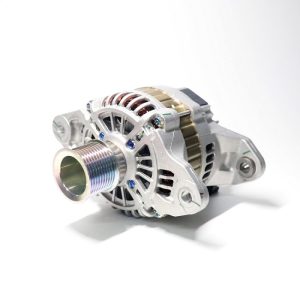
Factory Sale Various 24v 110a 851alternator 21922755/923976.3570 Alternator
$550.00 Add to cart -
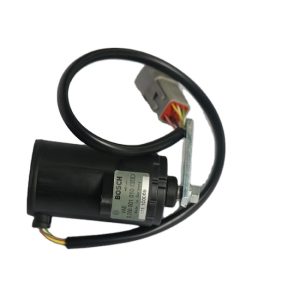
Heavy-Duty Throttle Potentiometer Accelerator Position Sensor A32460.0100 Throttle Position Potentiometer For Kalmar DCE 80-100/45E
$369.00 Add to cart
 English
  Espa?ol
  Русский