
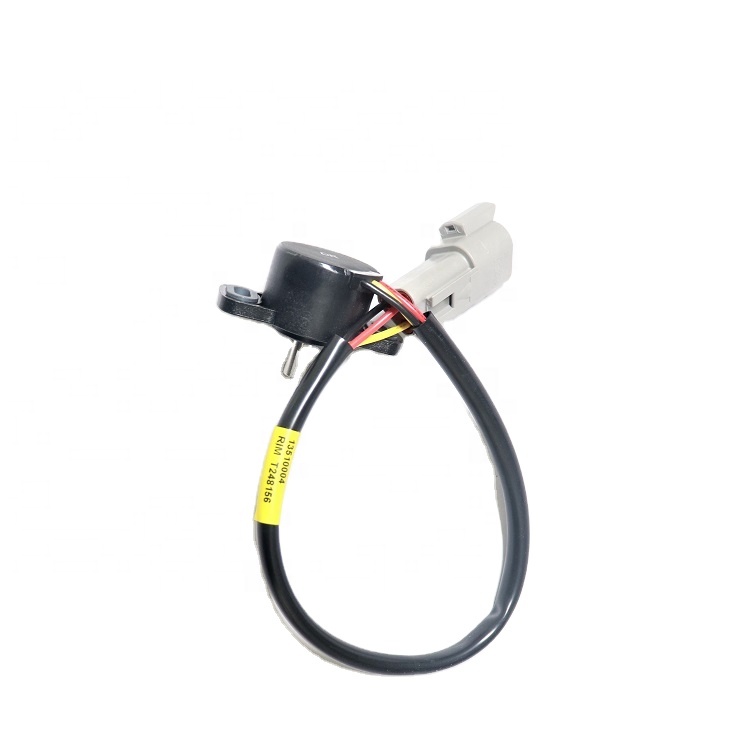
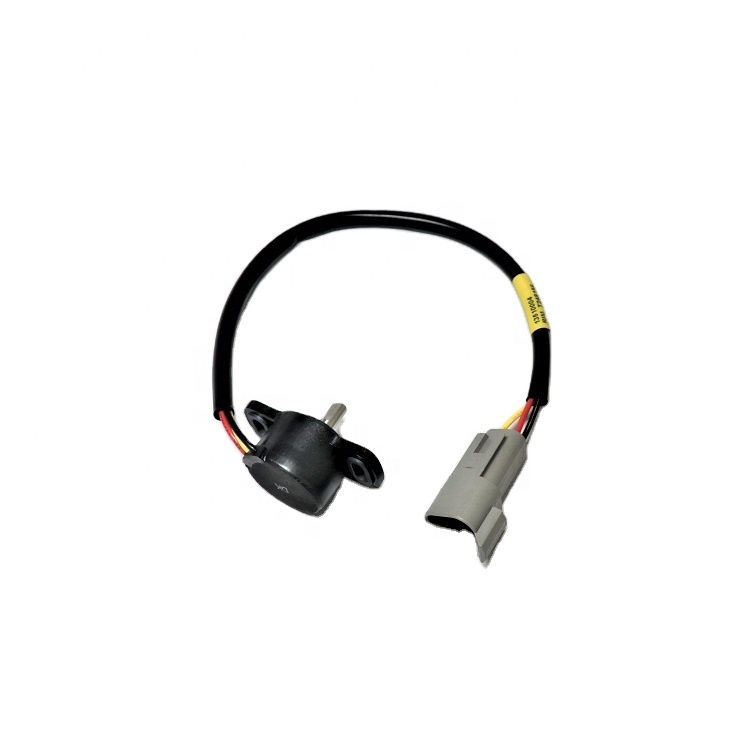
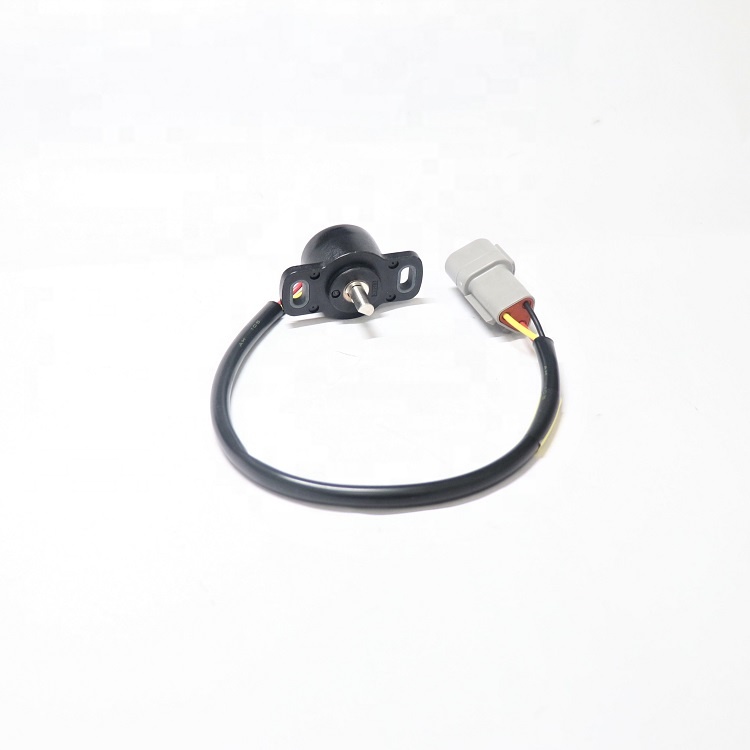
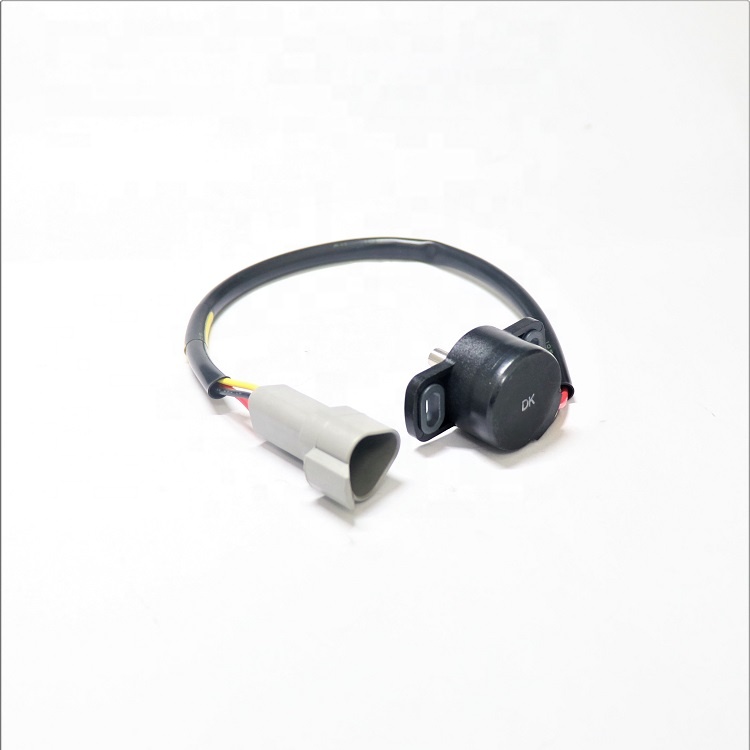
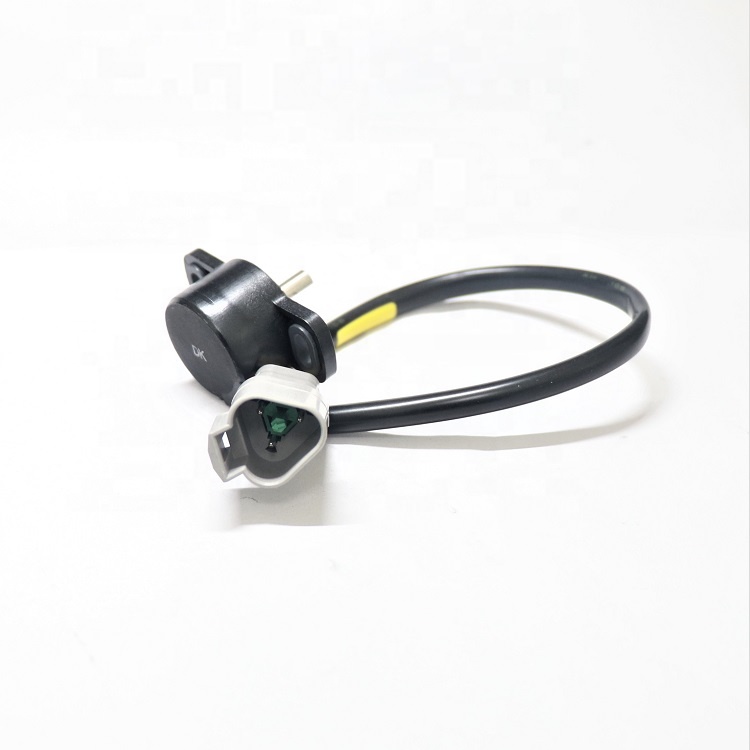
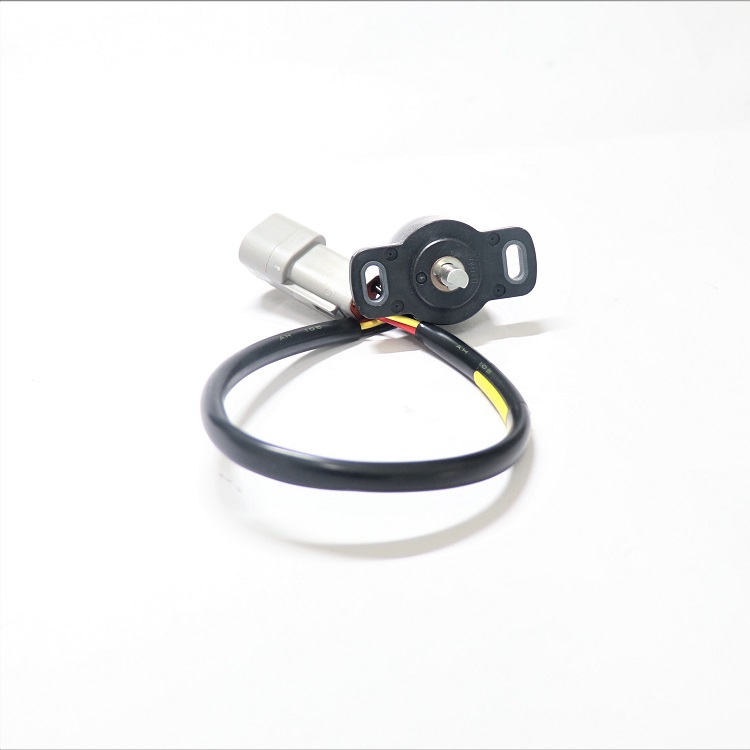
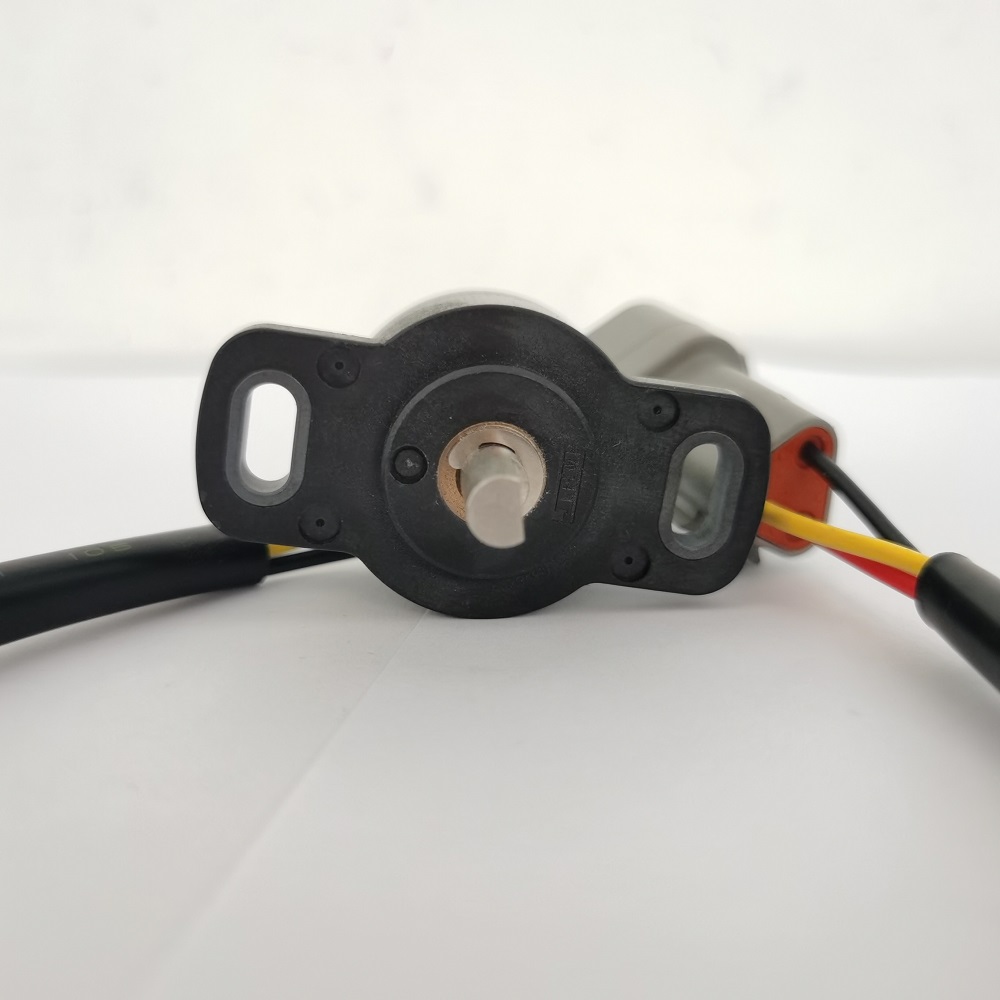
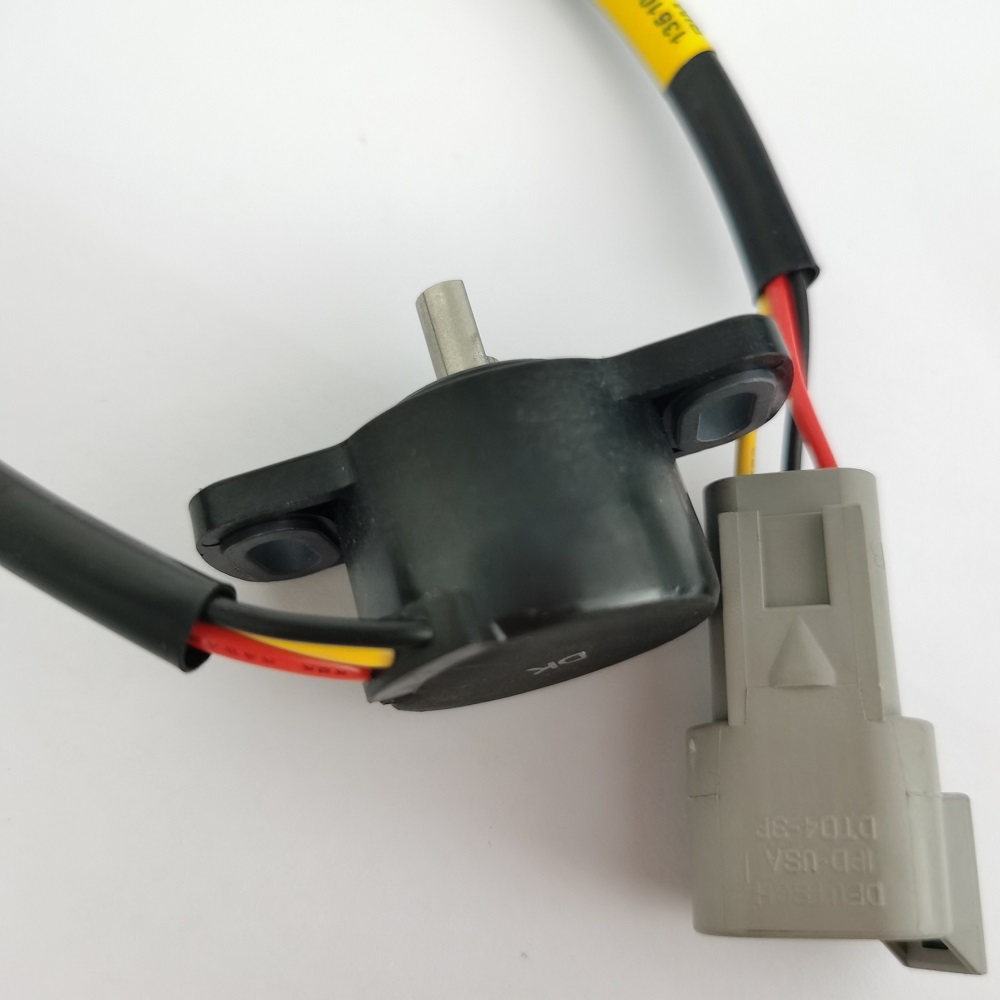
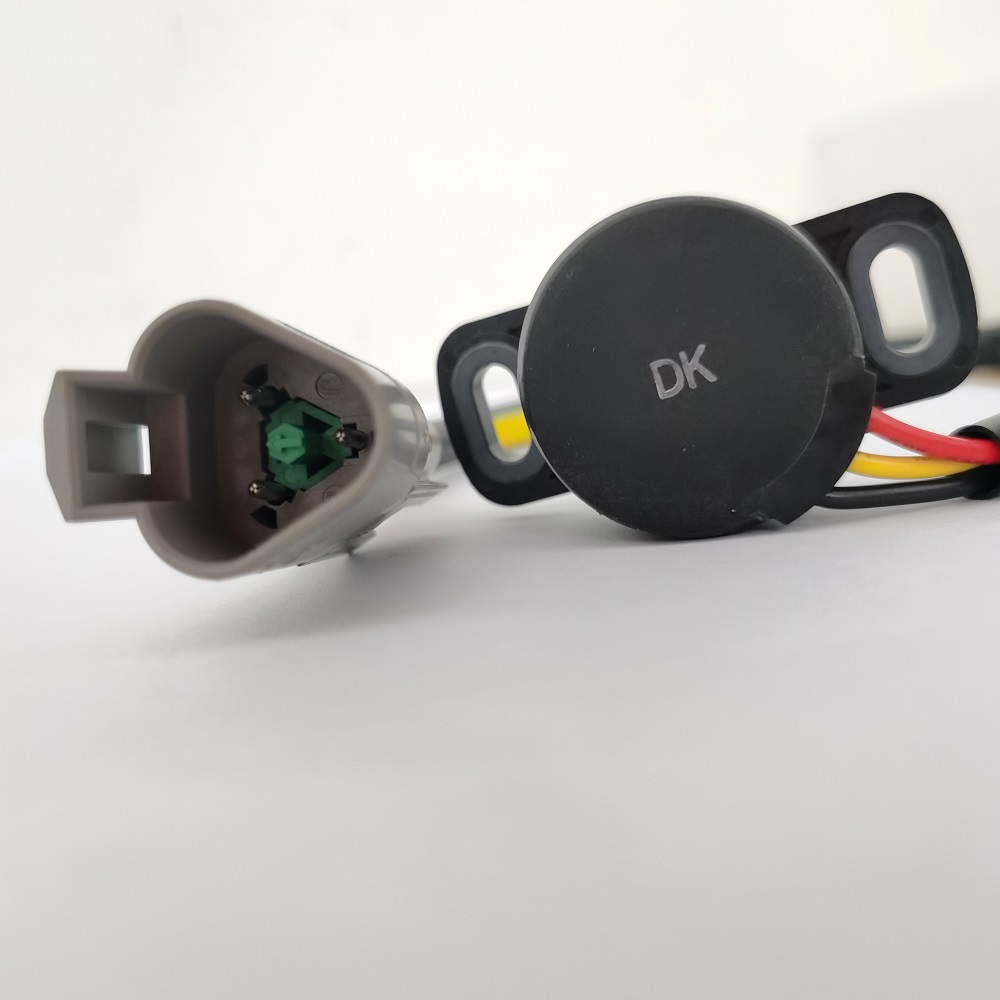
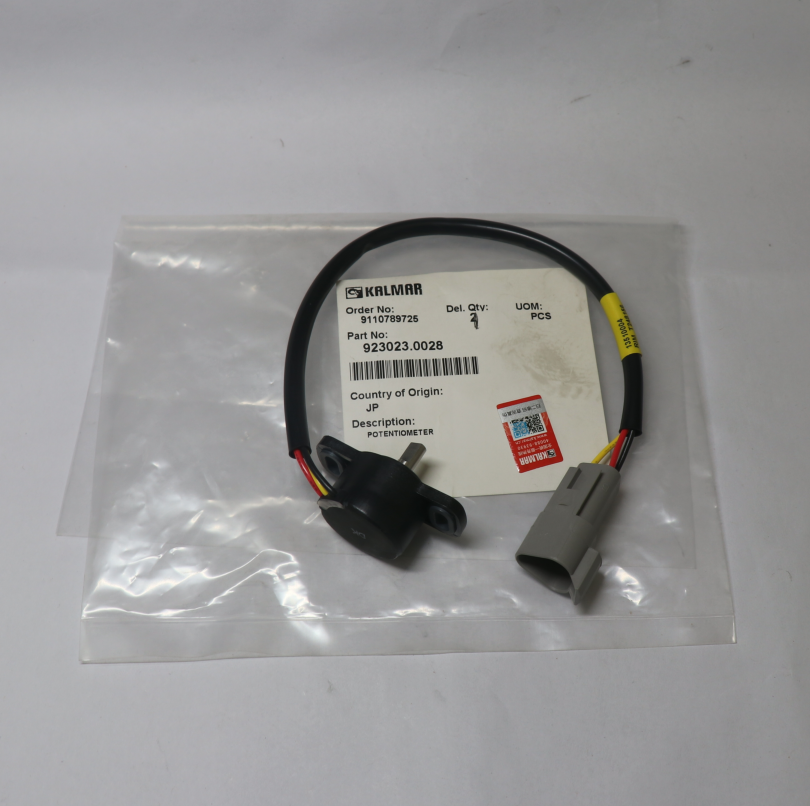
High Quality 923023.0028 DRF Angle Sensor T248156 for KALMAR Stacker Accessories
The DRF Angle Sensor is a highly accurate, durable, and versatile component used across multiple industries to ensure precise rotational movement…
High Quality 923023.0028 DRF Angle Sensor T248156 for KALMAR Stacker Accessories - Advanced Analysis
The DRF Angle Sensor is a crucial component used in a wide range of applications where precise angle measurement and positioning are required. It plays an essential role in providing accurate data for systems that rely on rotational movement, including robotics, automotive steering, industrial machinery, and aerospace applications. The DRF Angle Sensor works by measuring the rotational angle of a shaft, wheel, or other rotating elements, converting the angle into an electrical signal that can be interpreted by control systems. This real-time data enables systems to adjust or respond accordingly, ensuring optimal performance, safety, and efficiency.
In automotive applications, the DRF Angle Sensor is primarily used in steering systems to detect the angle of the steering wheel or steering column. This data is used to optimize vehicle handling, power steering response, and to assist in advanced driver-assistance systems (ADAS) such as lane-keeping and stability control. By providing accurate steering angle data, the DRF Angle Sensor ensures that the vehicle responds accurately to the driver’s inputs, improving safety and driving experience. Additionally, the sensor helps in monitoring and adjusting for factors such as road conditions, load distribution, and vehicle speed to enhance vehicle control and efficiency.
In industrial machinery, the DRF Angle Sensor is used to monitor the position of rotating parts, ensuring that machinery operates within the desired parameters. For example, in robotic arms, the sensor detects the position of joints and actuators, allowing for precise movement and control. In manufacturing, the sensor is integrated into machines that require precise rotational movement, such as conveyors, lifts, and turntables. By ensuring that these components are accurately positioned, the DRF Angle Sensor helps maintain the smooth operation of production lines and reduces the likelihood of malfunctions, improving overall system reliability and efficiency.
One of the significant benefits of the DRF Angle Sensor is its high level of accuracy and sensitivity. The sensor’s ability to detect even the smallest changes in angle makes it ideal for applications where precision is critical. Whether used in vehicles, industrial machines, or automated systems, the DRF Angle Sensor ensures that movements are smooth, controlled, and reliable. This precision also reduces wear and tear on other components in the system, extending the lifespan of the machinery and reducing maintenance costs.
Another critical application of the DRF Angle Sensor is in aerospace, where it is used to monitor the movement of control surfaces such as flaps, ailerons, and rudders. These sensors provide real-time feedback to the aircraft’s flight control systems, allowing pilots to make precise adjustments for stability and performance. In aviation, where safety and reliability are paramount, the DRF Angle Sensor plays a crucial role in ensuring that flight systems are responsive and operate within safe limits.
The DRF Angle Sensor is designed for high durability, making it suitable for use in harsh environments. It can withstand extreme temperatures, vibrations, and exposure to dust or moisture, which are common in automotive, industrial, and aerospace applications. The sensor is built to last, providing consistent performance even under challenging conditions. This durability reduces the need for frequent replacements, minimizing downtime and maintenance costs, which is critical in industries where equipment failure can lead to significant operational disruptions.
The DRF Angle Sensor is also designed to be highly responsive, offering fast data processing and real-time feedback. This makes it ideal for systems that require immediate adjustment based on rotational changes, such as automated manufacturing processes or vehicle steering systems. By providing immediate, accurate feedback, the sensor ensures that systems can react quickly and appropriately, enhancing overall system performance and preventing errors that could lead to accidents or inefficiencies.
In conclusion, the DRF Angle Sensor is a highly accurate, durable, and versatile component used across multiple industries to ensure precise rotational movement and positioning. Whether in automotive, industrial, or aerospace applications, the sensor plays a crucial role in optimizing performance, improving safety, and reducing the risk of equipment failure. Its ability to provide real-time data with high precision ensures smooth and efficient operations, making it an indispensable part of modern technology. Regular maintenance and proper calibration are necessary to ensure that the DRF Angle Sensor continues to provide accurate and reliable data, contributing to the overall reliability and efficiency of the systems in which it is used.
For more information on regulations and standards governing the use of sensors like the DRF Angle Sensor, you can visit the official website of the National Institute of Standards and Technology (NIST) at https://www.nist.gov/.
Bulk Source High Quality 923023.0028 DRF Angle Sensor T248156 for KALMAR Stacker Accessories
Direct Factory Pricing | OEM/ODM Customization | GRS Certified Materials
Related products
-
Red 924015.2411 Yellow 924015.2410 Green 924015.2409 Open / Close LED Indicator DRU450-62S5 DCU80-100
$159.00 Add to cart -
Widely Used Superior Quality AAN5121 11.203.064(24V 80A) 720 Alternator
$390.00 Add to cart -
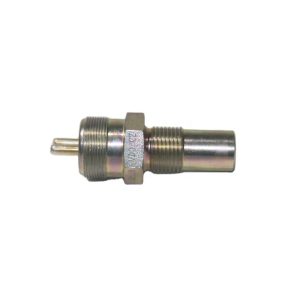
60034279 for KALMAR Speed Sensor 4200572 (half Thread Type) Container Reach Stacker Crane Parts Accessories
$115.00 Add to cart -
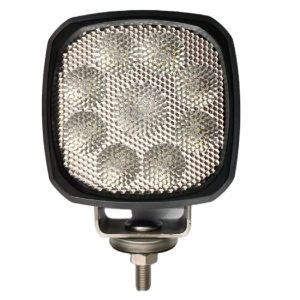
DCU LED Work Light 921733.0026/JP123546
$69.00 Add to cart
 English
  Espa?ol
  Русский