
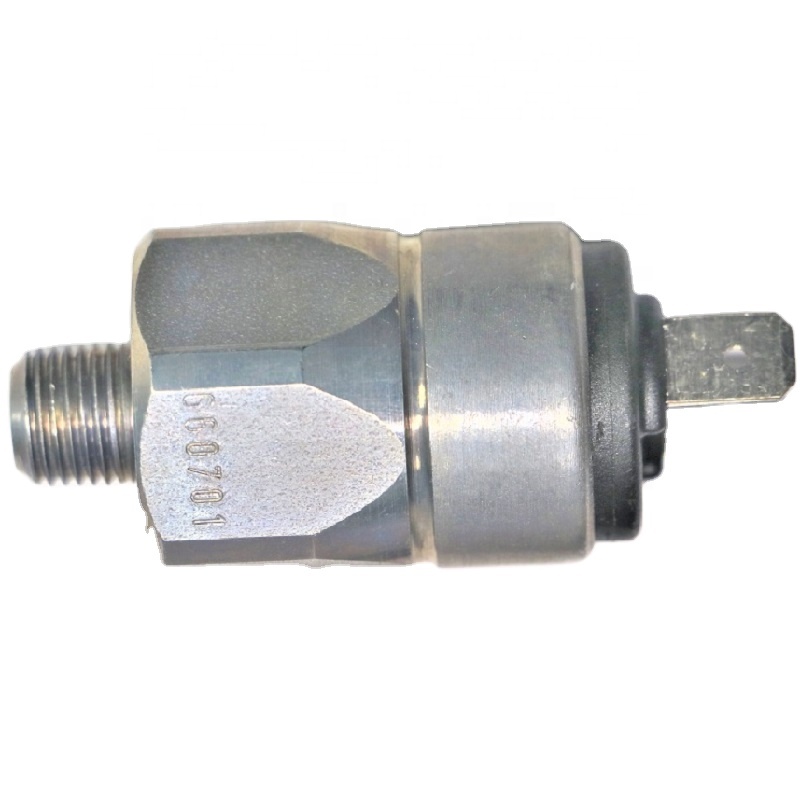
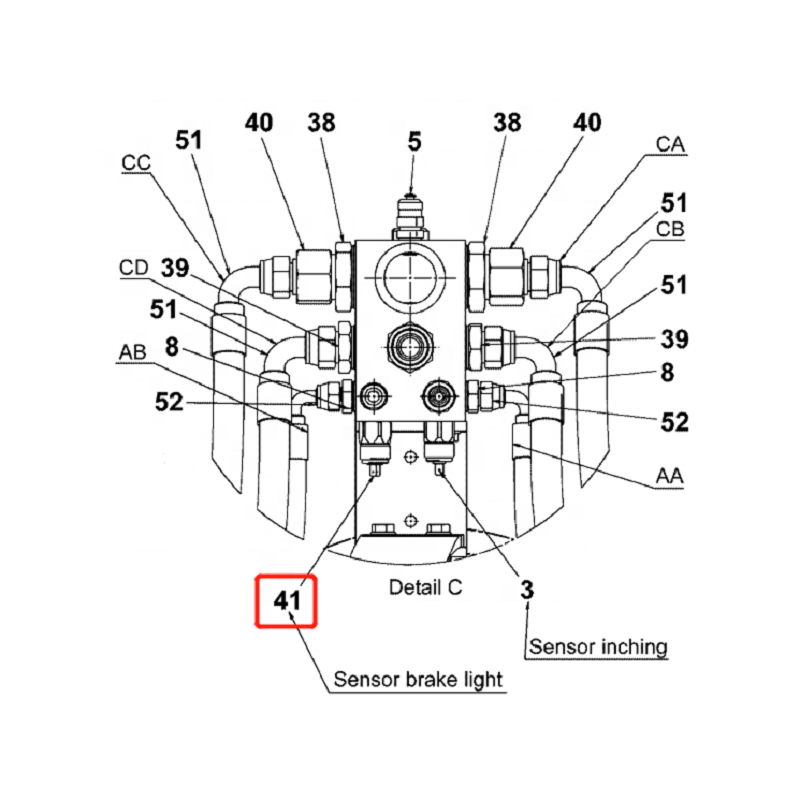
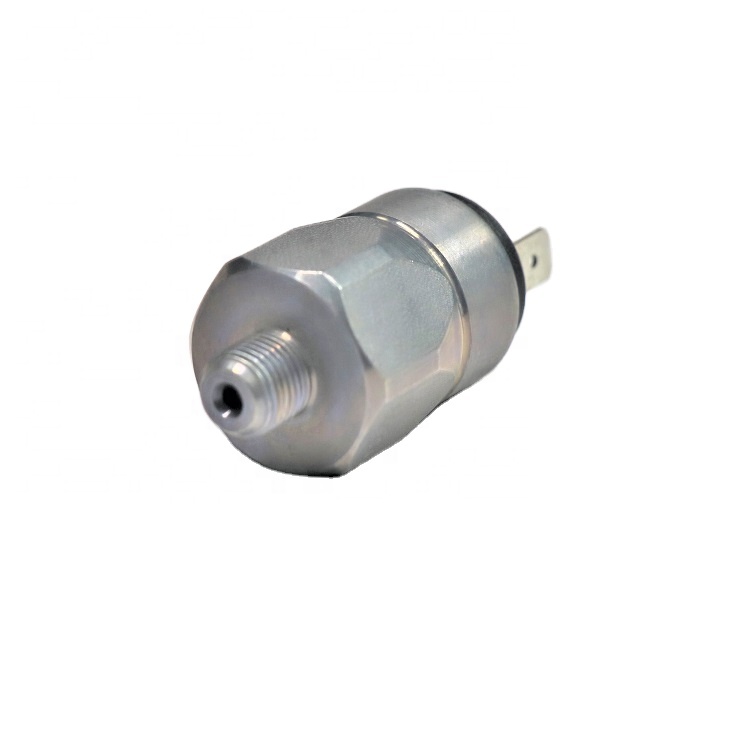
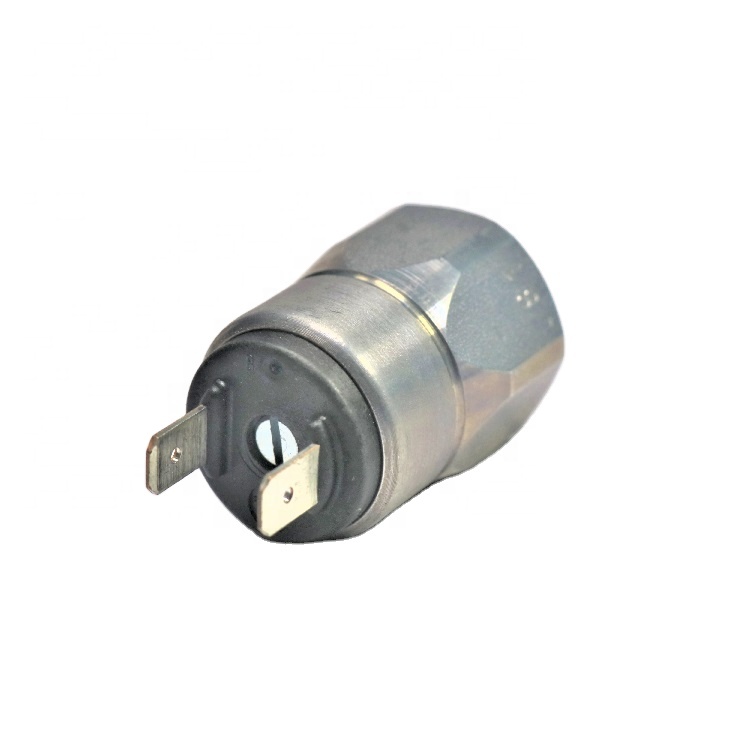
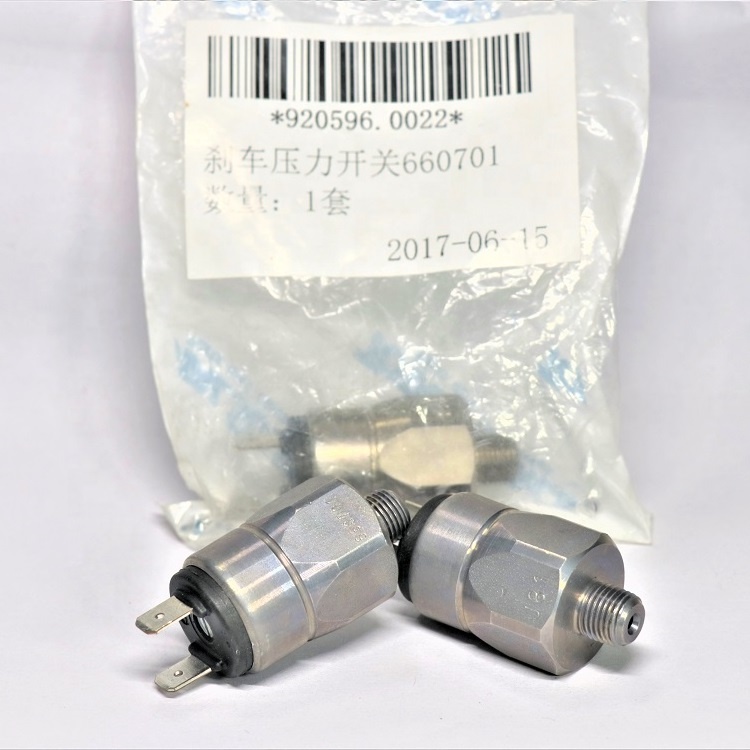
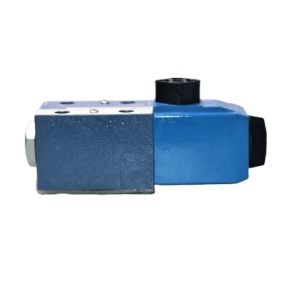
920596.0022 for Kalmar Brake Pressure Switch 660701 Control Switch Valve
The Brake Pressure Switch is a critical safety component that plays a significant role in ensuring the effectiveness and reliability of a vehicle’s brake system
920596.0022 for Kalmar Brake Pressure Switch 660701 Control Switch Valve - Advanced Analysis
Product Description: Brake Pressure Switch 660701
The Brake Pressure Switch is a vital component in modern braking systems, playing an essential role in ensuring the proper functioning of a vehicle’s brake lights and other safety features. It is designed to monitor the pressure within the brake system, activating or deactivating various components depending on the pressure levels detected. The switch is typically located on the brake master cylinder or brake lines and is responsible for sending signals to the vehicle’s electrical system, triggering functions such as the activation of brake lights, ABS (Anti-lock Braking System), and electronic stability control (ESC) systems.
When the brake pedal is pressed, the pressure within the braking system increases. The Brake Pressure Switch detects this change and sends a signal to the vehicle’s electrical system to activate the brake lights, alerting other drivers that the vehicle is slowing down or stopping. This action is crucial for preventing rear-end collisions and ensuring safe driving. Additionally, in vehicles equipped with advanced braking technologies, the Brake Pressure Switch also plays a key role in activating the ABS and ESC systems, providing additional safety by preventing wheel lockup and maintaining vehicle stability during emergency braking.
The Brake Pressure Switch is engineered to provide reliable performance under the high-pressure conditions found in a vehicle’s brake system. It is built to withstand the extreme temperatures, vibrations, and stresses associated with braking operations, ensuring long-lasting and consistent performance. Made from durable materials, such as high-grade plastics and metal alloys, the switch is resistant to corrosion and damage, ensuring it continues to function even in harsh driving environments. This makes it a crucial component in maintaining the safety and functionality of the vehicle’s braking system.
One of the primary functions of the Brake Pressure Switch is its ability to monitor the hydraulic pressure in the brake system. This allows the switch to determine whether the brake system is operating correctly. If there is insufficient pressure, the Brake Pressure Switch can trigger warnings or alerts, informing the driver of a potential issue that requires attention, such as low brake fluid levels or a failing brake component. Timely detection of such issues can help prevent brake system failure and ensure the vehicle remains safe to operate.
In modern vehicles, the Brake Pressure Switch is often integrated into the brake control module, which manages various aspects of the braking system. This allows the system to monitor pressure levels in real time and adjust braking force or trigger additional safety measures, such as activating the ABS to prevent wheel lockup. By providing immediate feedback on the brake system’s condition, the Brake Pressure Switch ensures that the vehicle maintains optimal braking performance, even in critical driving conditions.
In addition to its safety functions, the Brake Pressure Switch also plays a role in enhancing the overall driving experience. By ensuring that the brake lights function correctly, the switch helps communicate the vehicle’s intentions to other drivers, improving overall road safety. Furthermore, it ensures that advanced braking technologies, such as ABS and ESC, operate effectively, providing drivers with more control and confidence, especially during sudden or emergency stops.
The Brake Pressure Switch can also be found in heavy-duty vehicles and commercial trucks, where it serves the same critical function of monitoring brake system pressure and ensuring that safety features, like brake lights and ABS, are activated when necessary. These vehicles often experience more demanding braking conditions due to their size and weight, making a reliable Brake Pressure Switch even more important in maintaining safety standards. The switch helps prevent brake system failure and ensures that the vehicle can be stopped effectively, even under heavy loads.
Over time, the Brake Pressure Switch may wear out or become damaged due to the constant exposure to high pressure, heat, and vibration within the brake system. Signs of a malfunctioning Brake Pressure Switch include issues with the brake lights not activating when the pedal is pressed, or the activation of ABS or ESC systems at inappropriate times. If the Brake Pressure Switch fails to work correctly, it is essential to replace it immediately to avoid compromising the vehicle’s braking performance and safety.
Regular maintenance and inspection of the Brake Pressure Switch are essential to ensure it continues to function properly. It should be checked periodically for signs of wear or damage, especially if the vehicle experiences any braking issues or warning lights related to the brake system. Proper care and timely replacement of the Brake Pressure Switch can prevent safety hazards and ensure that the vehicle’s braking system operates optimally at all times.
In conclusion, the Brake Pressure Switch is a critical safety component that plays a significant role in ensuring the effectiveness and reliability of a vehicle’s brake system. It provides real-time feedback on brake system pressure, activates essential safety features, and helps prevent brake system failure. By ensuring that the brake lights, ABS, and ESC systems function as intended, the Brake Pressure Switch enhances overall road safety and vehicle performance. Regular inspection and maintenance of the switch are essential to prevent potential issues and maintain the safe operation of the vehicle.
Bulk Source 920596.0022 for Kalmar Brake Pressure Switch 660701 Control Switch Valve
Direct Factory Pricing | OEM/ODM Customization | GRS Certified Materials
Related products
-
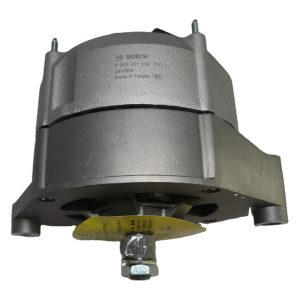
China Professional Manufacture 24v 80A 731 alternator 0120468114 Alternator
$376.00 Add to cart -
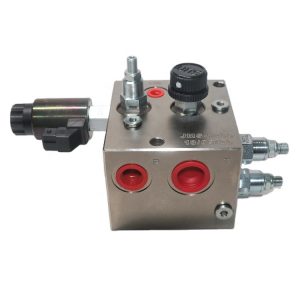
Accumulator Charging Valve 923543.0070 for KALMAR DRU450-62S5 DRF Brake Priority Valve JMS-1230S (Steel Valve Body) Container Reach Stacker Crane Spare Parts
$759.00 Add to cart -
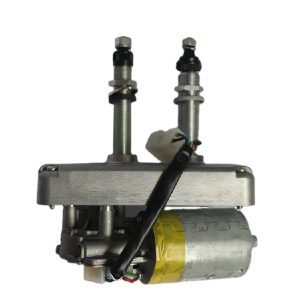
New Type Windshield Wiper Motors 920887.0011 Front Windscreen Wiper Motor
$140.00 Add to cart -
B220400000026 for SANY A810201062430 Solenoid Valve DG4V-3-22A-M-U-H7-60 Brake Control Valve Group
$74.00 Add to cart
 English
  Espa?ol
  Русский