
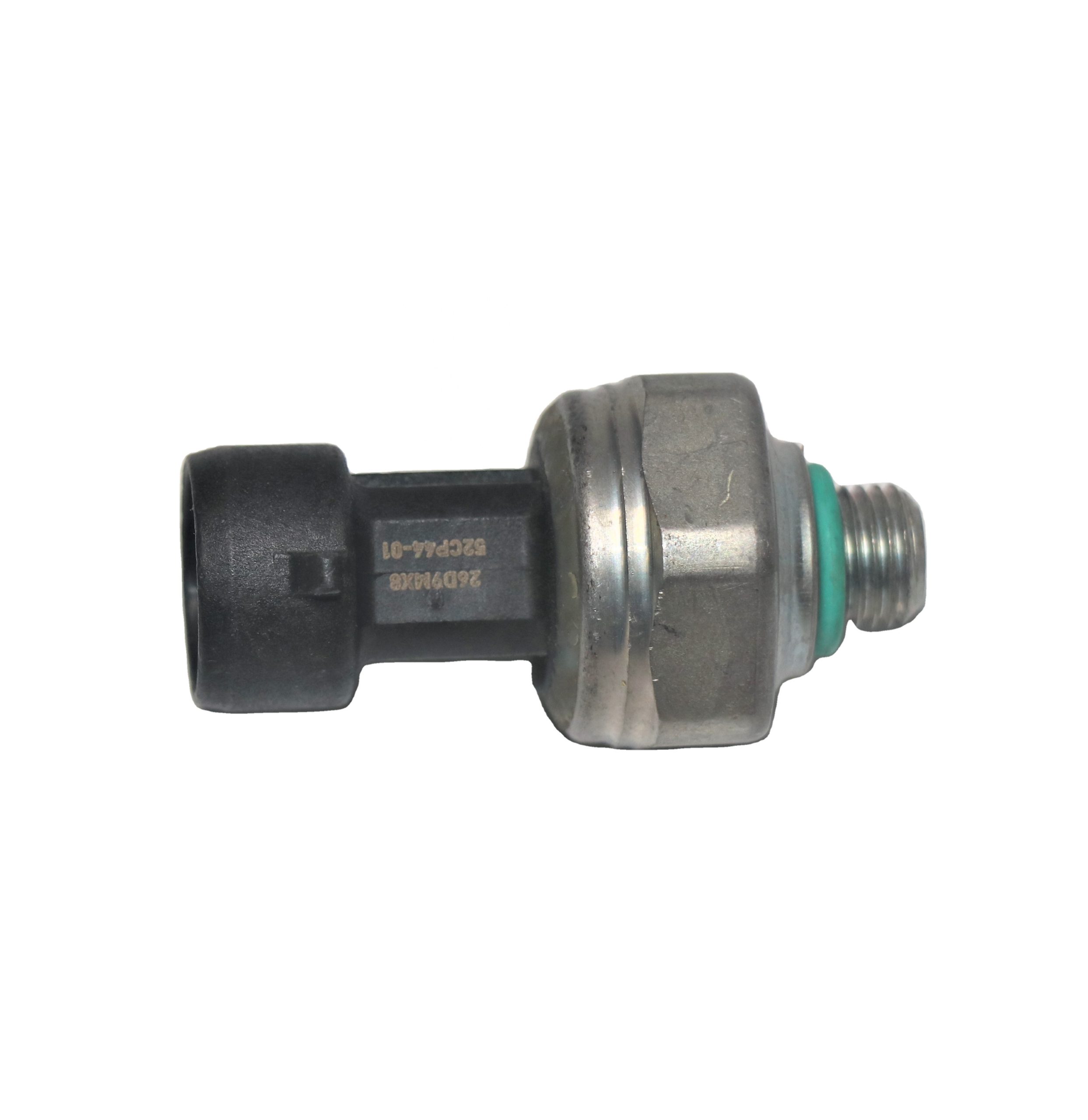
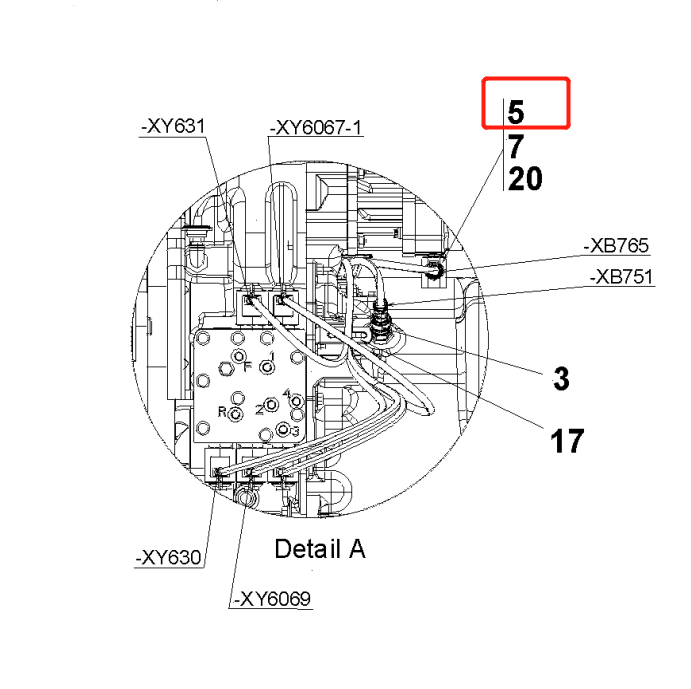
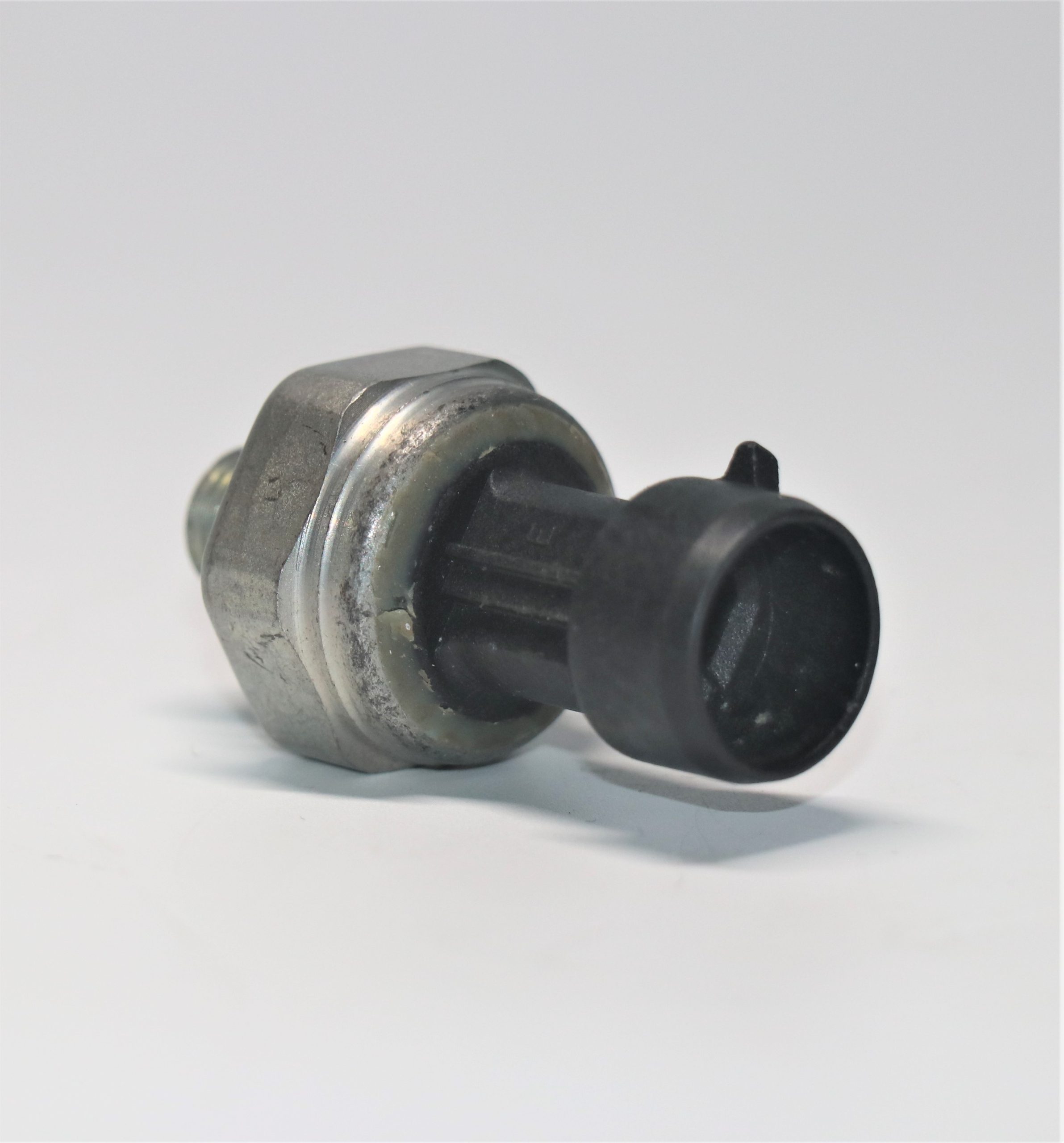
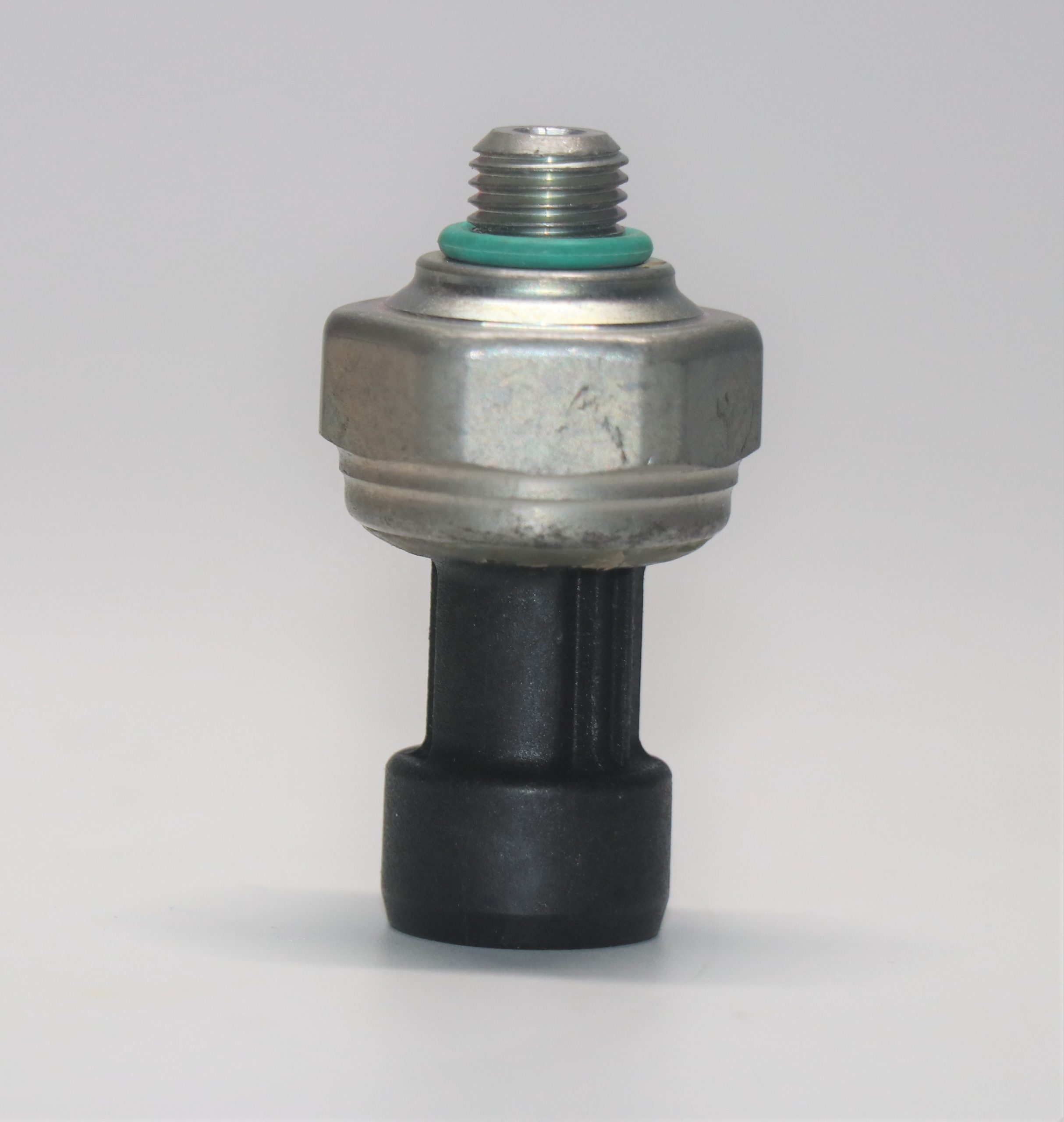
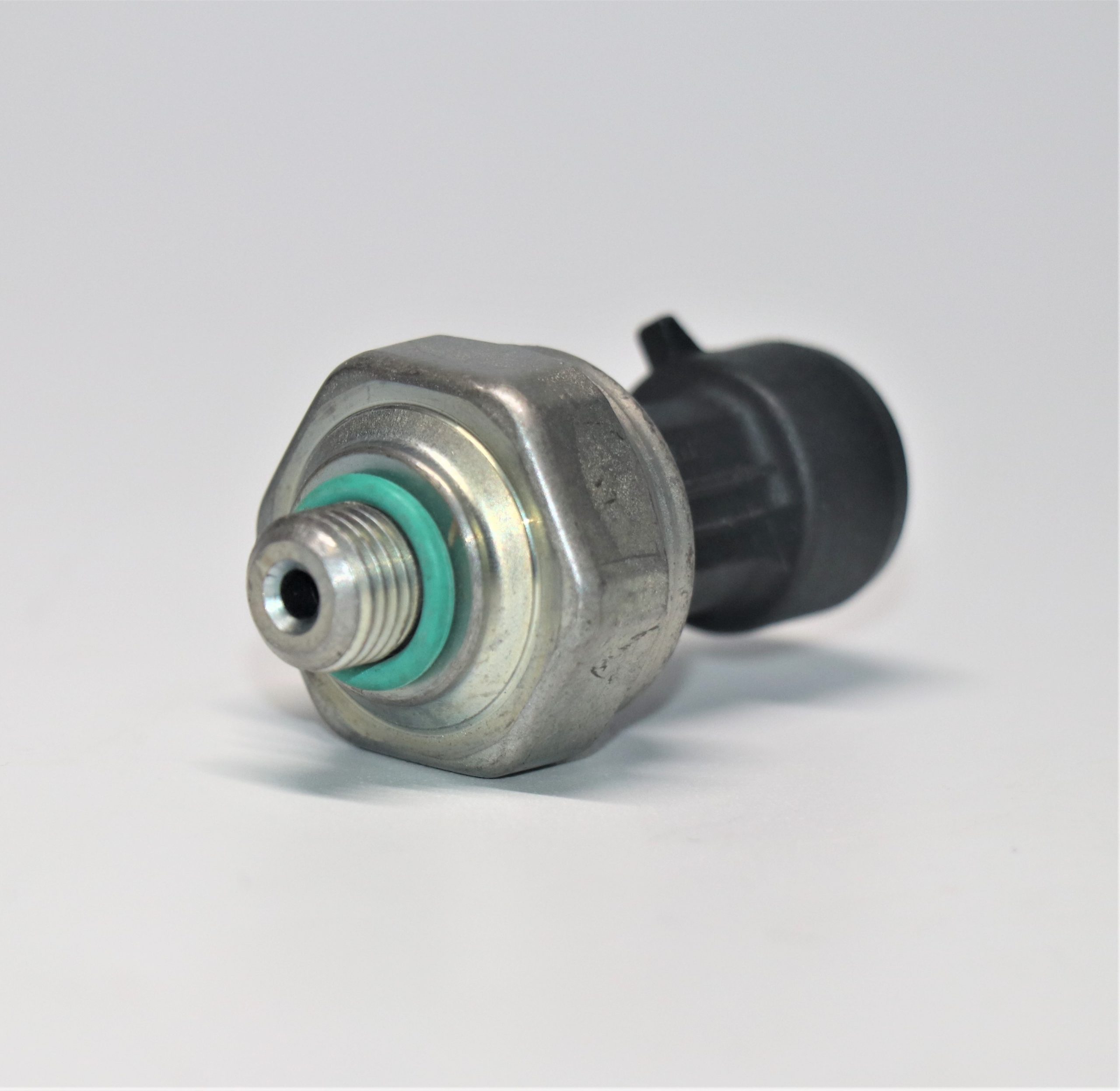
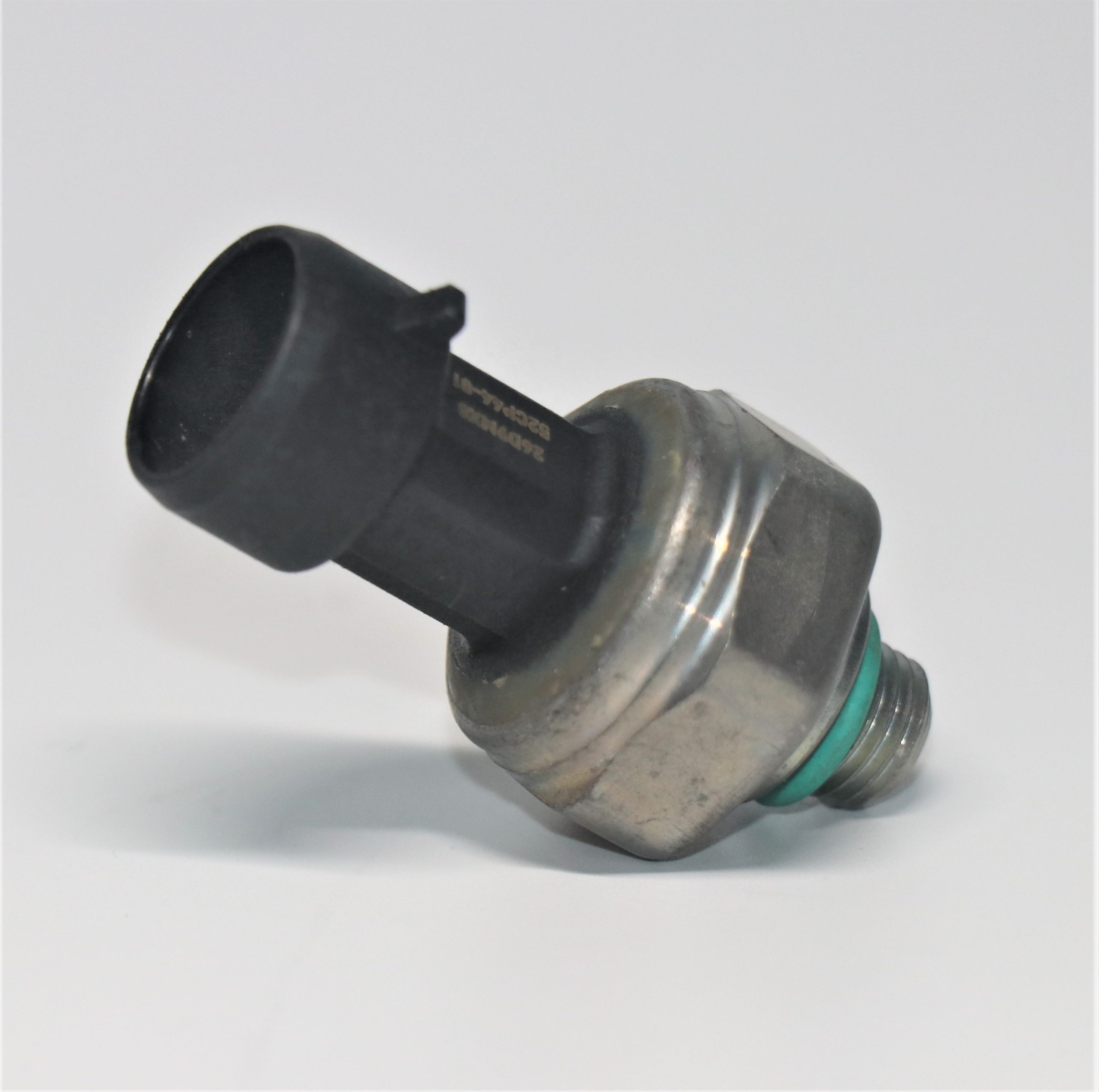
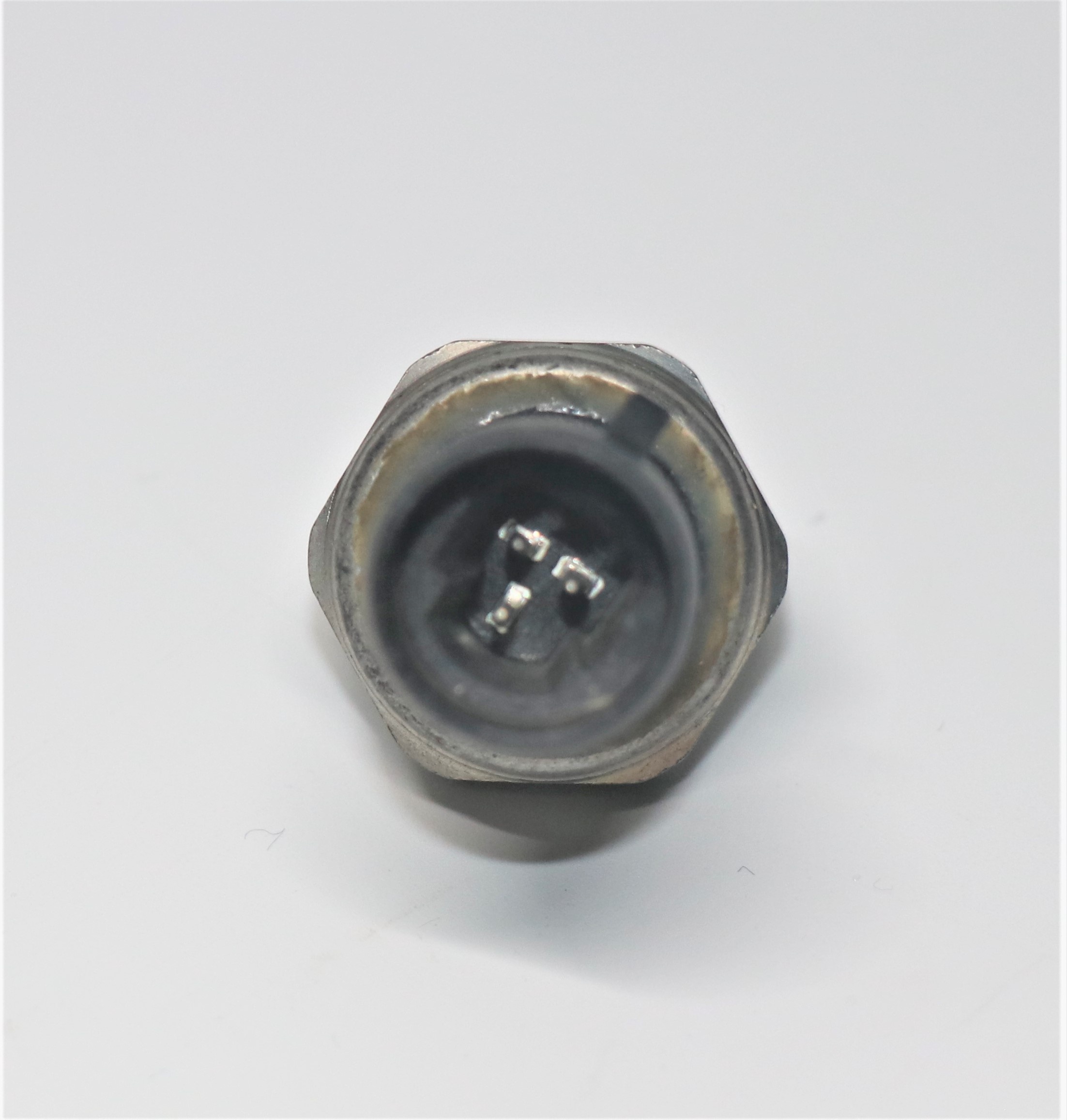
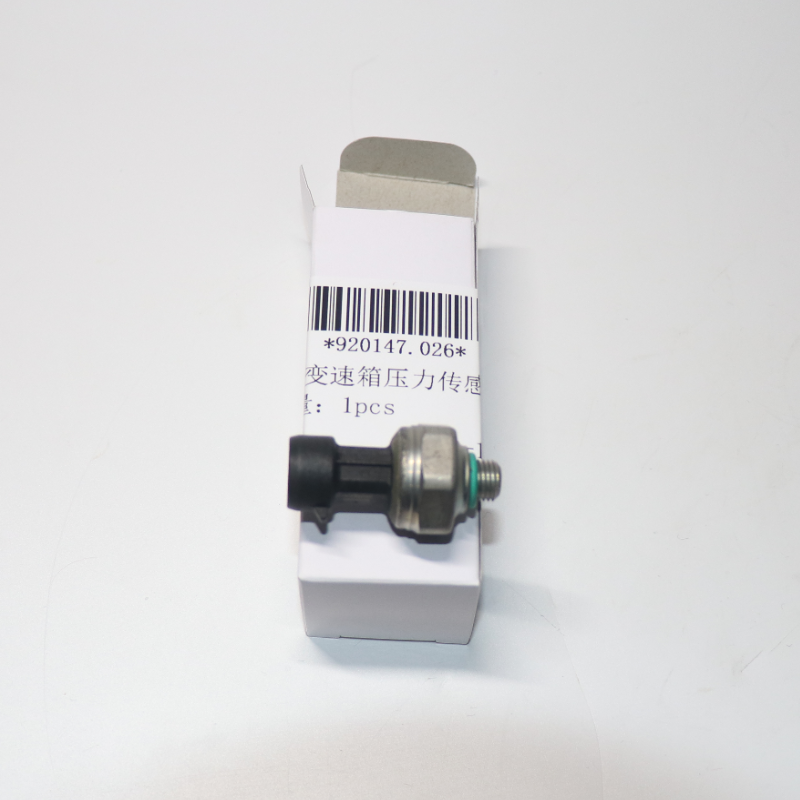
920147.026 923978.0806/J020321 Pressure Sensor Container Reach Stacker Crane Spare Parts for KALMAR DCT 80 – 90 4212000
the Pressure Sensor is commonly used to monitor tire pressure, oil pressure, fuel pressure, and other critical systems within the vehicle.
920147.026 923978.0806/J020321 Pressure Sensor Container Reach Stacker Crane Spare Parts for KALMAR DCT 80 - 90 4212000 - Advanced Analysis
The Pressure Sensor is a key component in modern mechanical and electronic systems, providing accurate measurements of pressure within various environments, such as automotive, industrial, and manufacturing applications. It plays a critical role in monitoring and controlling systems that rely on consistent pressure levels to operate efficiently. By converting physical pressure into an electrical signal, the pressure sensor ensures that the system’s pressure is accurately measured and adjusted, enhancing performance, safety, and reliability.
In automotive applications, the Pressure Sensor is commonly used to monitor tire pressure, oil pressure, fuel pressure, and other critical systems within the vehicle. The sensor provides real-time data to the vehicle’s electronic control unit (ECU) or dashboard display, alerting the driver to potential issues, such as low tire pressure or insufficient oil pressure, that could compromise the vehicle’s safety or performance. These sensors help prevent major mechanical failures by ensuring that pressure is within safe operating limits and notifying the driver when a problem arises.
The Pressure Sensor is widely used in industrial settings to monitor the pressure of fluids and gases within machines, pipelines, and HVAC systems. In these applications, maintaining the correct pressure is essential to ensuring that systems run efficiently, reducing the risk of leaks, failures, and costly repairs. The sensor constantly measures the pressure within the system and sends a corresponding electrical signal to a control system, which adjusts the flow of materials to maintain optimal operating pressure. This helps prevent damage to machinery, ensures consistent operation, and optimizes energy use, all of which are essential for maintaining productivity and reducing operational costs.
One of the main benefits of the Sensor is its ability to provide real-time, accurate data, which is critical in high-pressure systems where small fluctuations can lead to significant issues. These sensors are built to withstand extreme conditions, including high temperatures, vibrations, and exposure to harsh chemicals or moisture. Their design and materials are selected to ensure long-lasting durability and reliable performance even in the most challenging environments.
Another important aspect of the Pressure Sensor is its ability to integrate seamlessly with digital control systems. In many modern systems, these sensors are linked to automated control units that adjust the system’s operation based on the data received. For example, in HVAC systems, a pressure sensor may help regulate the flow of refrigerant, ensuring the system operates at optimal efficiency. In industrial manufacturing, pressure sensors are used in automated production lines to monitor fluid pressures, ensuring that machines operate within safe parameters and preventing costly malfunctions.
The Pressure Sensor also contributes to safety by monitoring pressure in systems such as hydraulic and pneumatic systems, where excessive pressure can lead to leaks or explosions. The sensor provides early detection of abnormal pressure conditions, allowing operators to take preventive actions before a catastrophic failure occurs. In industrial equipment, where safety is a top priority, pressure sensors are essential for maintaining safe operating conditions and preventing accidents.
In addition to their use in vehicles and industrial machinery, Pressure Sensors are increasingly used in consumer products and devices. For example, they are found in home appliances, such as washing machines and refrigerators, where they help monitor water and gas pressures to ensure safe operation. Pressure sensors are also used in medical equipment, such as ventilators and blood pressure monitors, to track vital pressure levels and ensure accurate measurements for patient care.
Over time, the performance of the Sensor can degrade due to exposure to harsh environments, aging components, or contaminants. Common signs that a pressure sensor may need replacement include inaccurate readings, fluctuating measurements, or complete failure to detect pressure. Regular maintenance, calibration, and timely replacement of the sensor are essential to ensure the system remains reliable and operational. For example, in automotive applications, faulty pressure sensors can lead to warning lights on the dashboard or poor vehicle performance, making it crucial to replace malfunctioning sensors promptly.
In conclusion, the Sensor is a versatile and essential component in a wide range of applications, ensuring the accurate measurement and regulation of pressure in critical systems. Its role in maintaining performance, safety, and efficiency is indispensable in automotive, industrial, and consumer products. By providing real-time, reliable data and enabling precise control, the pressure sensor helps prevent equipment failure, reduce operational costs, and improve overall system functionality. Regular maintenance and monitoring of these sensors are essential to prolonging the lifespan of equipment and ensuring optimal operation.
For more information on the regulations and standards governing the use of pressure sensors in automotive and industrial applications, you can visit the official website of the National Highway Traffic Safety Administration (NHTSA) at https://www.nhtsa.gov/.
Bulk Source 920147.026 923978.0806/J020321 Pressure Sensor Container Reach Stacker Crane Spare Parts for KALMAR DCT 80 - 90 4212000
Direct Factory Pricing | OEM/ODM Customization | GRS Certified Materials
Related products
-
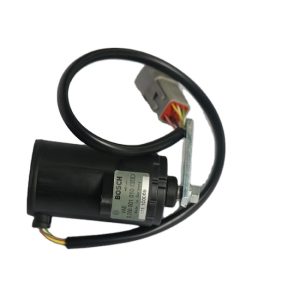
Heavy-Duty Throttle Potentiometer Accelerator Position Sensor A32460.0100 Throttle Position Potentiometer For Kalmar DCE 80-100/45E
$369.00 Add to cart -
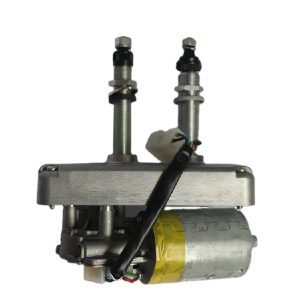
New Type Windshield Wiper Motors 920887.0011 Front Windscreen Wiper Motor
$140.00 Add to cart -
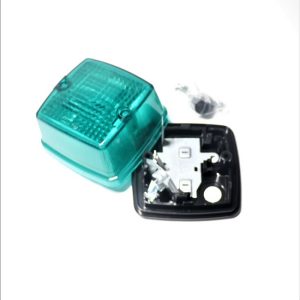
The Company Sells All Kinds of Slings and Green Indicating Plastic Lights
$13.00 Add to cart -
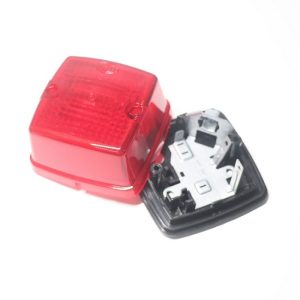
The Company Sells All Kinds of Spreaders and Red Indicating Plastic Lights
$13.00 Add to cart
 English
  Espa?ol
  Русский