
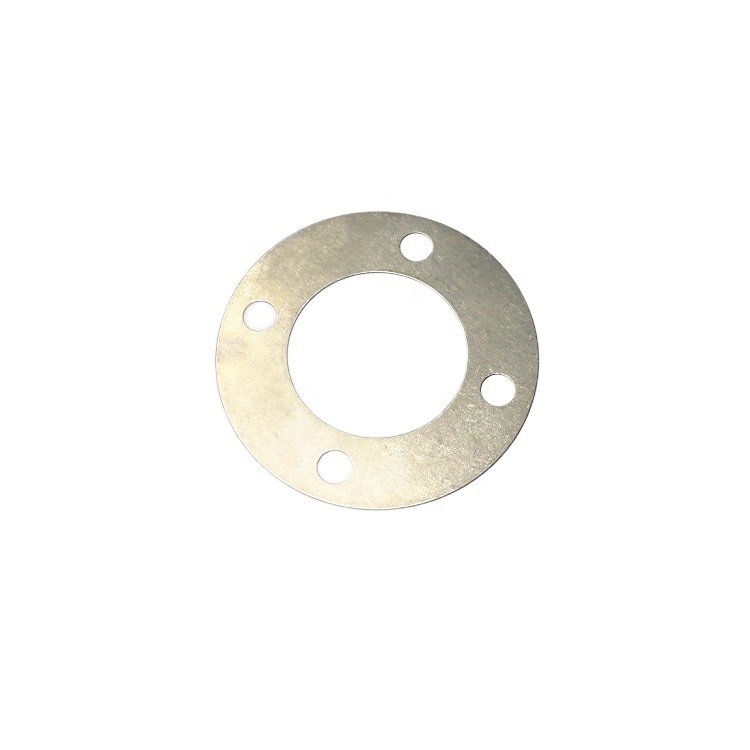
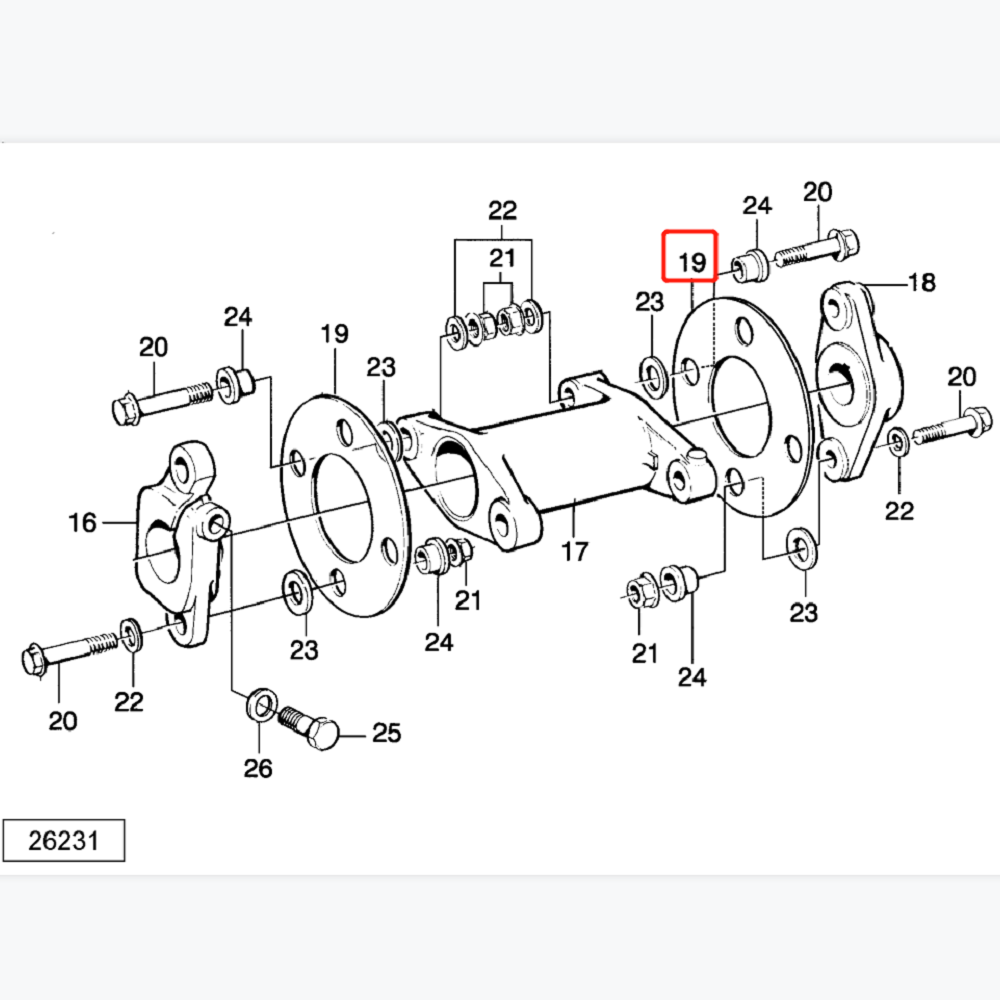
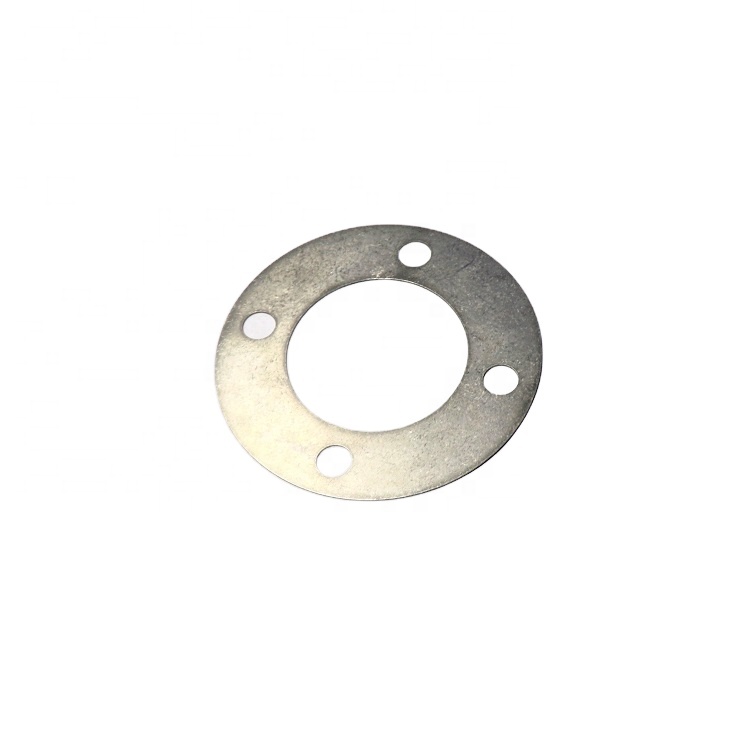
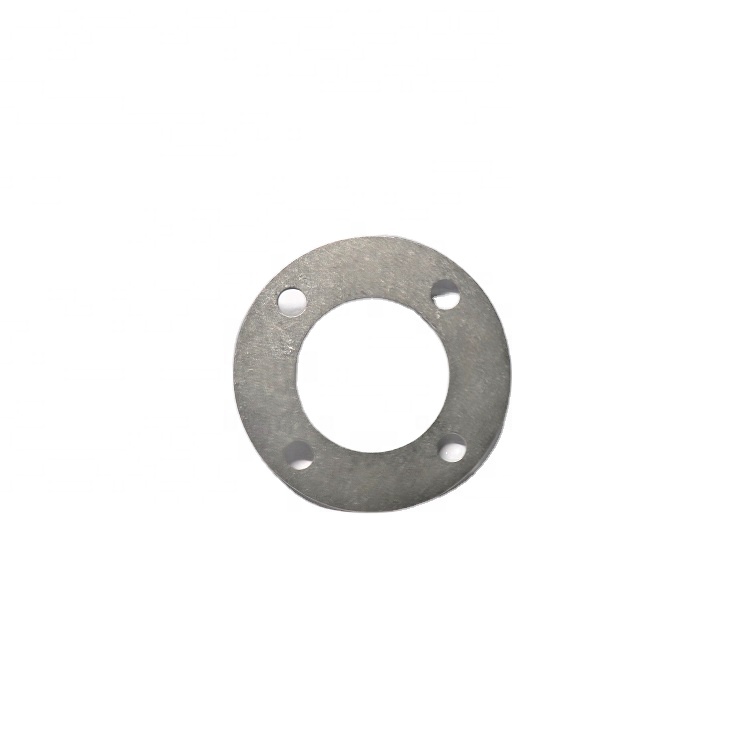
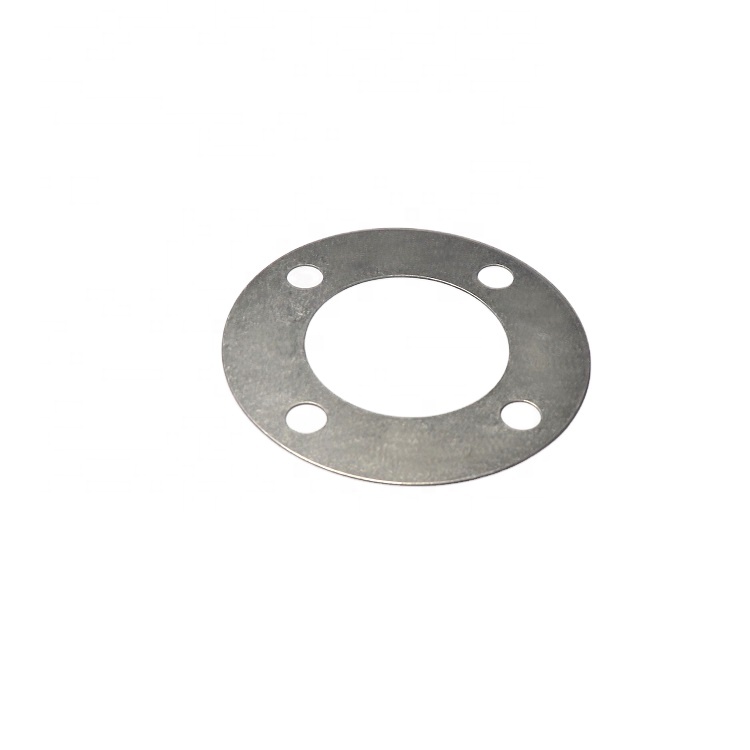
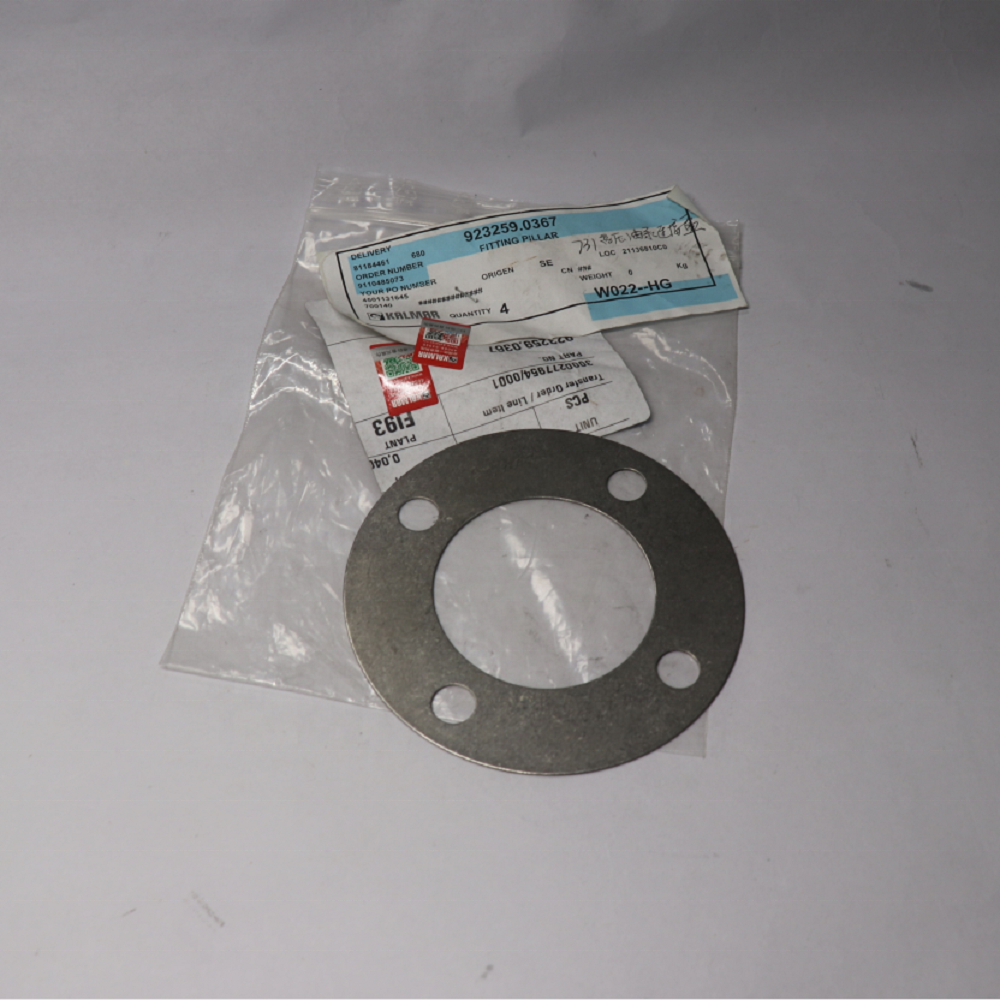
731 Connection Plate Clutch Disk 923259.0367 for KALMAR DCE 80-100/45E Gasket Crane Spare Parts
the Clutch Disk is a vital component of the clutch system, ensuring smooth and efficient power transfer from the engine to the transmission.
731 Connection Plate Clutch Disk 923259.0367 for KALMAR DCE 80-100/45E Gasket Crane Spare Parts - Advanced Analysis
Product Description: 731 Connection Plate Clutch Disk
The Clutch Disk is a critical component in the clutch system of both manual and semi-automatic transmissions. It serves as the interface between the engine and the transmission, enabling the smooth transfer of power and torque while allowing the driver to control the connection between the two. Located within the clutch assembly, the Clutch Disk is responsible for engaging and disengaging the engine from the transmission, enabling smooth gear shifts and preventing damage to the drivetrain. It is essential for ensuring optimal engine performance, vehicle control, and safety.
The Clutch Disk works in tandem with the pressure plate and flywheel to transfer engine power to the transmission. When the clutch pedal is pressed, the pressure plate disengages from the Clutch Disk, allowing it to spin freely and temporarily disconnecting the engine from the wheels. This disengagement is crucial during gear changes, as it prevents grinding and allows the driver to select the appropriate gear without damaging the transmission components. Once the clutch pedal is released, the Clutch Disk is pressed back against the flywheel, re-engaging the engine and transmission, and enabling the car to move forward.
One of the primary functions of the Clutch Disk is to absorb the torque generated by the engine and smoothly transfer it to the drivetrain. As the engine generates power, the Clutch Disk applies friction against the flywheel, which in turn drives the transmission input shaft. This friction is crucial for preventing power loss and ensuring that the vehicle accelerates smoothly without hesitation. The friction material on the Clutch Disk is designed to withstand high temperatures and pressures, making it durable and capable of handling the demands of daily driving, heavy-duty applications, or high-performance vehicles.
In high-performance or racing applications, the Clutch Disk is subjected to even greater demands, requiring materials that offer exceptional friction characteristics while maintaining durability under extreme conditions. High-performance Clutch Disks are often made from specialized materials such as carbon composite, ceramic, or Kevlar, which provide superior grip and heat resistance compared to traditional organic materials. These materials allow the Clutch Disk to handle the increased power output of performance engines while ensuring rapid engagement and disengagement during high-speed shifts.
Heavy-duty vehicles, such as trucks and commercial vehicles, also rely on the Clutch Disk to handle the significant torque produced by large engines. These vehicles often use larger and more robust Clutch Disks to ensure smooth engagement under the demanding conditions of hauling heavy loads. The durability and reliability of the Clutch Disc in these applications are critical for preventing premature wear and ensuring that the vehicle operates efficiently over the long term.
The Clutch Disk is not a standalone component but is part of a larger clutch assembly that includes the pressure plate, flywheel, release bearing, and other related parts. Together, these components work in unison to provide smooth and efficient power transfer, while allowing the driver to control the vehicle’s speed and performance. Regular maintenance and timely replacement of the Clutch Disc are essential for maintaining the proper functioning of the clutch system and preventing damage to other transmission components.
Over time, the friction material on the Clutch Disc will wear down due to constant use, which can lead to slipping, poor engagement, or a complete loss of power transfer. Common signs that the Clutch Disc may need replacement include difficulty shifting gears, a burning smell, or the clutch pedal feeling unusually soft or stiff. If any of these symptoms occur, it is important to inspect the Clutch Disc and replace it if necessary to avoid further damage to the clutch system or transmission.
In addition to its primary function of power transfer, the Clutch Disk is also designed to reduce noise and vibration during operation. By providing a smooth and controlled engagement between the engine and transmission, the Clutch Disc helps to minimize the noise and vibration that can be generated during shifting. This results in a more comfortable and refined driving experience, whether in everyday vehicles or high-performance machines.
The design of the Clutch Disk has evolved over time, with modern versions incorporating advanced materials and manufacturing techniques to improve performance, durability, and efficiency. Today, many Clutch Discs are made from high-strength materials that offer greater resistance to wear, heat, and fatigue. This ensures that the Clutch Disc can provide reliable performance over the life of the vehicle, even under demanding driving conditions.
In conclusion, the Clutch Disk is a vital component of the clutch system, ensuring smooth and efficient power transfer from the engine to the transmission. Whether in everyday vehicles, high-performance machines, or heavy-duty trucks, the Clutch Disc plays a critical role in vehicle performance, safety, and longevity. Regular maintenance and timely replacement of the Clutch Disc are essential for ensuring optimal operation and preventing damage to other clutch components.
Bulk Source 731 Connection Plate Clutch Disk 923259.0367 for KALMAR DCE 80-100/45E Gasket Crane Spare Parts
Direct Factory Pricing | OEM/ODM Customization | GRS Certified Materials
Related products
-
Dana 247227 Spicer Clutch Piston Seals Assembly 4213599 Port Machinery Parts
$128.00 Add to cart -
Front Axle Crowning Wheel Planetary Gear Ring For KALMAR DCE 80-100/45E 509252-173 923855.0252 Planetary Gear Accessories
$555.00 Add to cart -
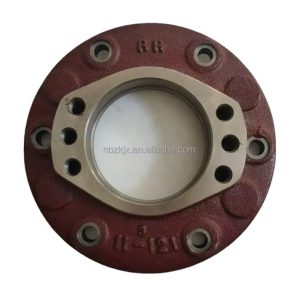
Rotary Motor Flange 923349.0850 923941.0407 for KALMAR DRT450 Port Machinery Parts
$80.00 Add to cart -
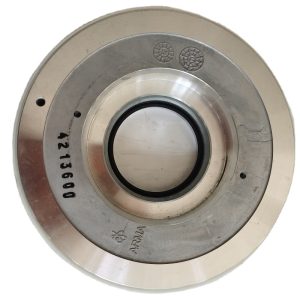
KALMAR DCE 80-100/45E Clutch Pistons 4213600 923108.0221 923976.5931
$147.00 Add to cart
 English
  Espa?ol
  Русский